
Intermat Stealth
Intermat is the single source of stealth technology coatings for military applications, developed after more than 20 years of in-house R&D.
Intermat is a pioneer in Stealth Technology, anti-thermal/IR Coatings (paints) and Materials for military applications that have been developed in-house for more than 20 years of R&D and extensive field trials and evaluations.

You have successfully submitted your enquiry. Someone from our company will respond ASAP
INTERMAT GROUP SA is a market leader in low observable paints and materials for defense applications established in 1998 and has developed an innovative yet mature anti-detection & anti-targeting technology in different forms (paints, wrap film, aerosol spray, fabrics) adopted by many Governmental and private entities.
Our Stealth Technology Coating System (STCS) has undergone successfully extensive and exhaustive lab and field tests and evaluations. Our production is carried out under the highest standards, in compliance with the ISO 9001:2015 Quality Assurance provisions.
Our successful long-term records with various Military and Governmental authorities around the world and being an active and official supplier for NATO largest international contractor the NSPA and an approved vendor for US Government through SAM site (sam.gov), is evident that we provide a proven, reliable and zero performance risk technology to fulfill our customer’s combat missions.
An anti-detection & anti-targeting technology that protects your military assets and critical infrastructure against EO/IR sensors & weapon systems such as anti-tank missiles, UAVs, drones, IR homing missies, Thermal Imaging Sights (TIS), FLIRs, etc., man portable and platform based.
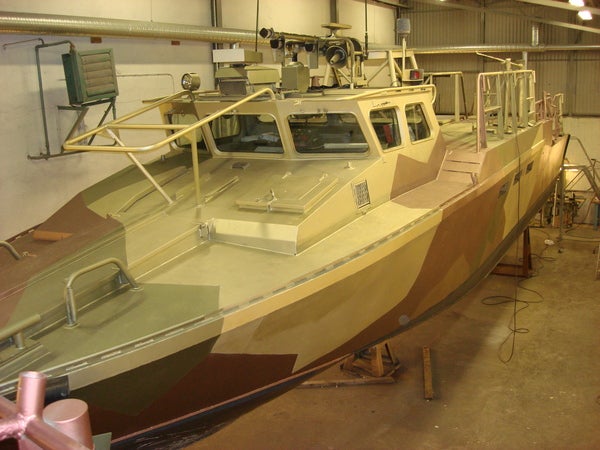
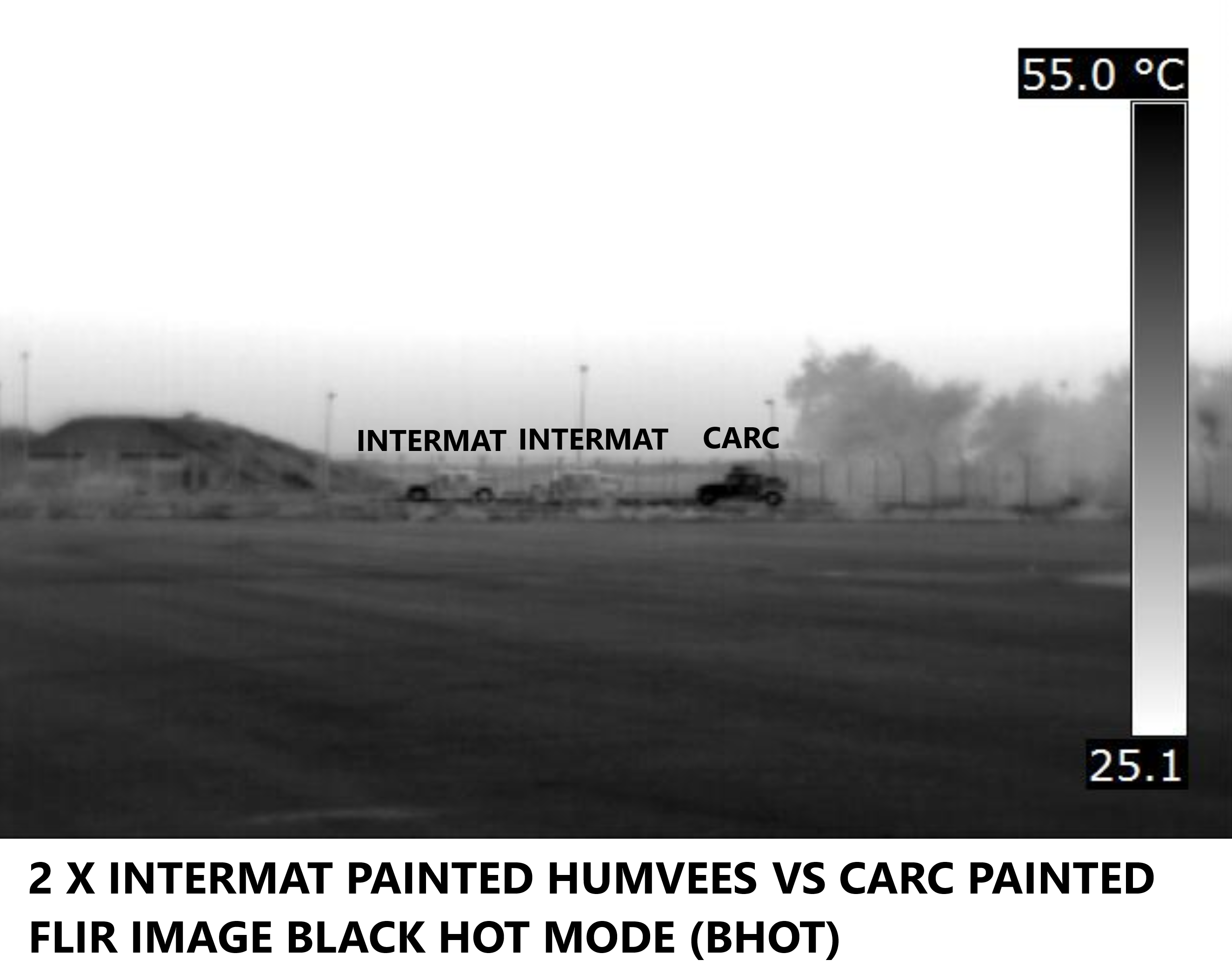
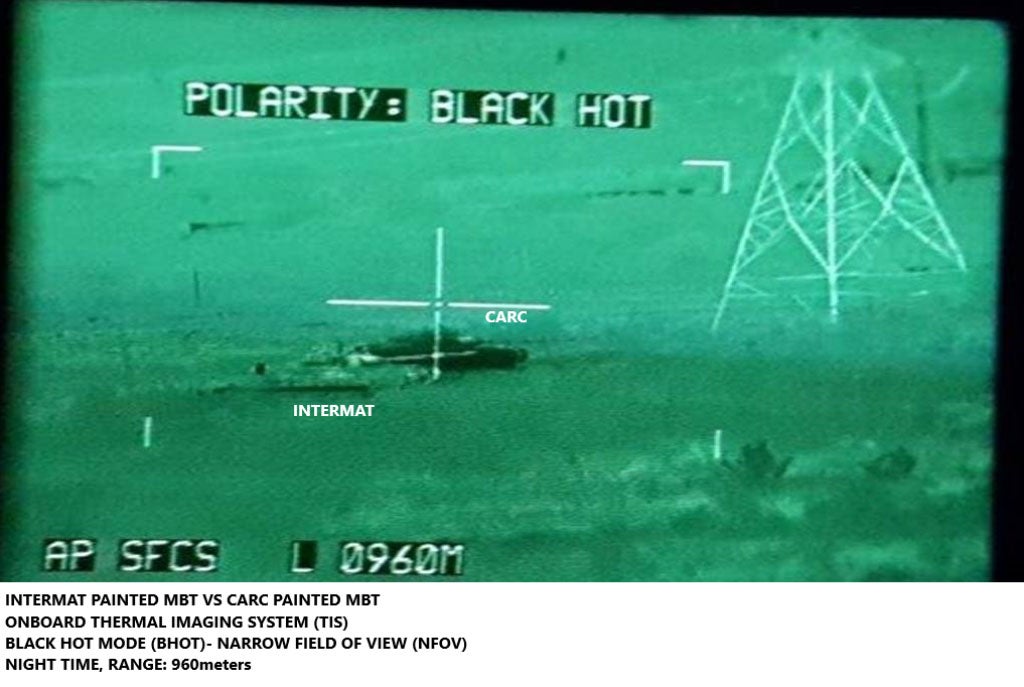
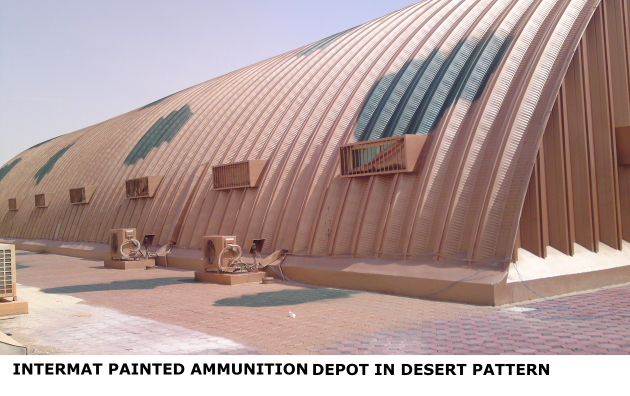
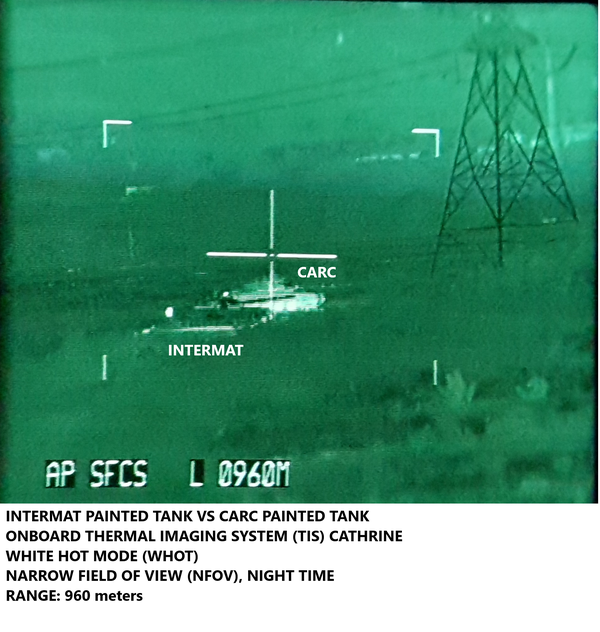
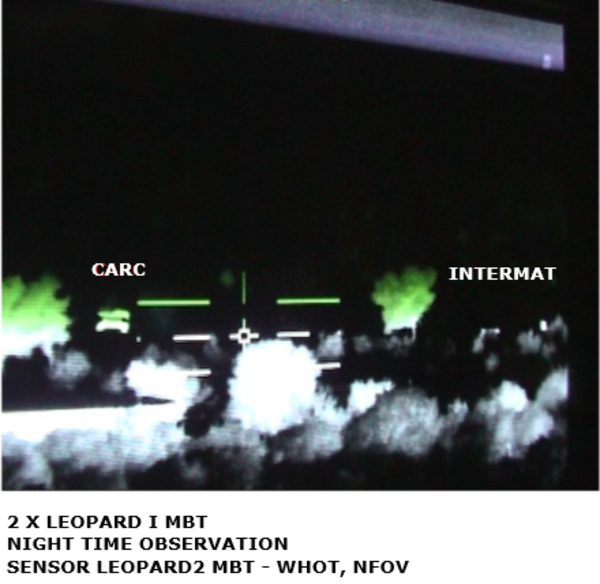
“Close combat on sensor-rich battlefields of the future will be faster, more violent and intensely lethal unlike anything any of us have witnessed.”
Nothing could describe more accurately modern warfare and stealth becomes more valuable than ever.
Our technology has no limit on what is going to be applied on. All surfaces can be treated, metal, plastic, cement even tarmac.
Intermat products are applied on military vehicles of all types, military installations and strategic infrastructure, such as hangars/shelters, air-fields, bunkers, oil and gas installations, missile and radar sites, communications and command & control and more.
Now that EO/IR sensors and weapon systems are booming and targeting is easier, Intermat products are more necessary than ever.
A unique and unmatched technology in anti-thermal/IR coatings, protecting combat vehicles and critical infrastructure from EO/IR threats (anti-tank missiles, Thermal Imaging Systems & Sensors, UAVs, UCAVs ) – effectively, affordably, reliably and above all always ‘alarmed’ against missile threat.
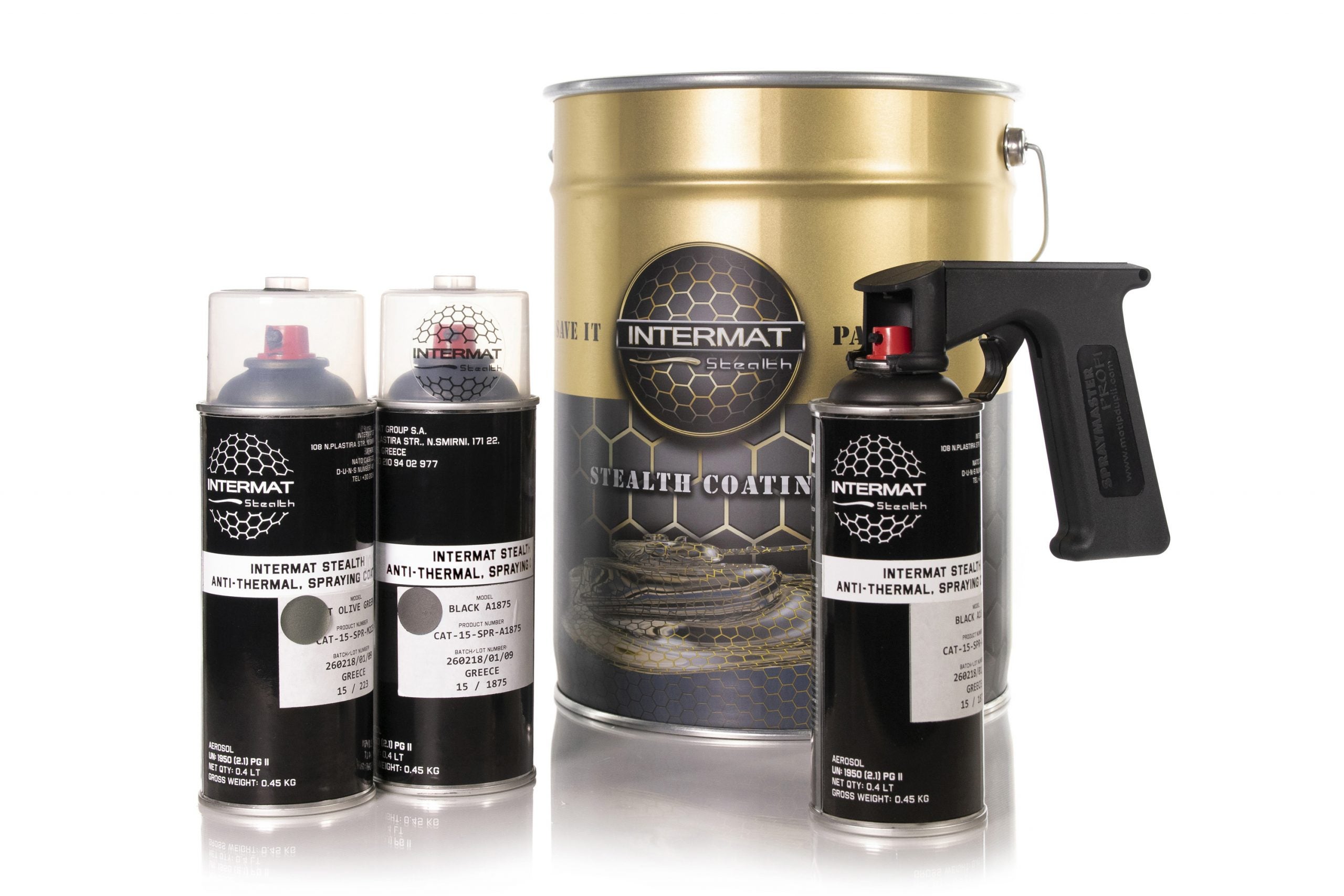
Anti-thermal/IR paints for IR signature reduction in NIR-MIDIR-FARIR spectrum (0.8 – 14 microns).Easy to apply and can be used with existing equipment/spray guns. Available in 5 – 10 – 20 kilograms cans and Aerosol Spray Cans (0.4 lit).
Our rugged and fast applying self-adhesives have the same effect as our Paints. Our Appliques are great for a temporary concealment mission. Great for use on acquired assets in the field, with the ability to return the equipment back to the original state in no time. These stickers can be applied by anyone anywhere anytime. They can be customized in different designs, colors and patterns suitable for any environment.
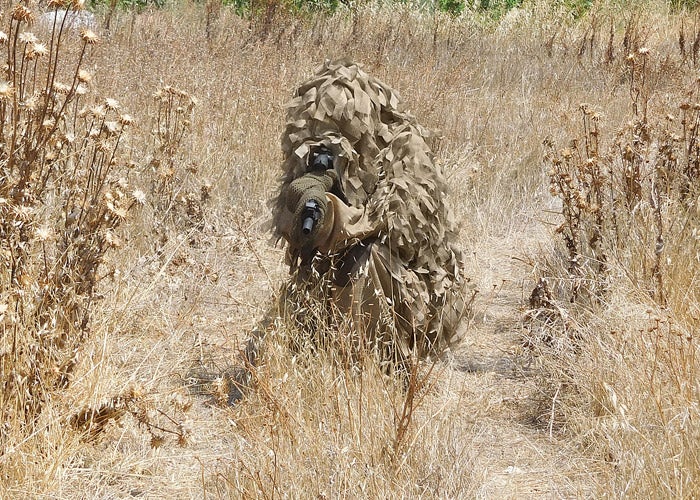
Anti-thermal/IR & Anti-radar fabric used as a 2D cover for vehicles -facilities or personnel suits (Ghillies and Sniper suits) Impregnated with our LO-IR technology. Lightweight, thin, flexible and durable.
Intermat stealth coating system is the modern protection solution to high tech surveillance and targeting systems. We provide an “apply and forget” solution just by applying our paint on the platform. Intermat technology integrates high Stealth Mobility and high Stealth Capability in an all-in-one combat-proven weightless camouflage system.
In Modern Warfare conflicts, all systems in battlefield are susceptible to thermal/IR sensors and imagers and consequently threats. Even insurgents have access even to handheld thermal imagers nowadays.
Our Stealth Coating System is a special high tech paint that protects and increases the survivability of valuable assets against enemy’s EO/IR sensors and heat seeking warheads and missiles. We manage to break the “lock-on” by enemy’s heat-seeking missiles and hence our product is a passive force multiplier for friendly forces.
A high number of casualties are connected to the fact that “KILL chain STARTS with TARGET Acquisition” and “THERMAL/IR sensors are nowadays a KEY element of TARGET Acquisition process”.
Defeats Modern EO/IR Sensors / Target Acquisition Systems and cancels the effectiveness of those smart weapons systems increasing survivability and reducing drastically Probability of Kill (PK).
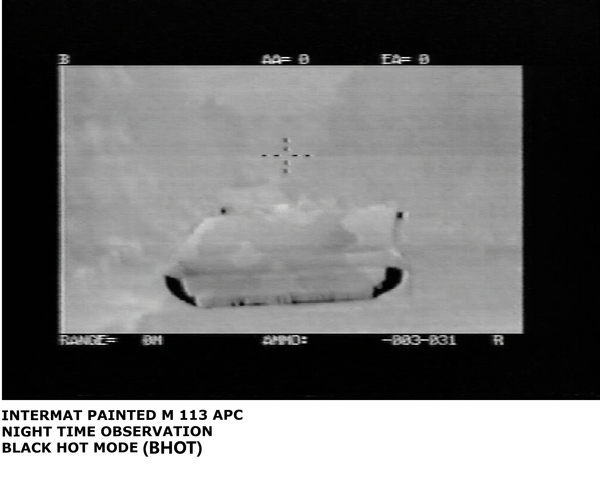
Our paint covers combat vehicles’ thermal/IR signature. You can think of it as the heat signature. Obviously, if a vehicle has a less detectable heat signature it would be less visible to a sensor that homes in on heat. The kind of sensors found on an enemy drone or a heat-seeking missile (anti-tank, etc.).
We’re defending the people who are inside the Humvees or inside Combat Vehicles or inside the buildings. We’re defending their lives. If they can’t be seen, and they can’t be sought out by missiles, they can’t be hurt.
Something that lessens the heat signature would save lives. It also keeps a vehicle cooler inside and hence protects sensitive instruments, which could also be a lifesaver.
Masking a tank’s thermal/IR signature makes it difficult to both detect and target it.
Already in theater and proven the last decade, Intermat stealth technology provides the absolute solution against modern threats in a force-multiplying package. Modern threats require modern countermeasures while the golden rule of survivability still demands not to be seen. It’s far better for the warfighter to rely on passive defense layers than being obliged to make use of weapons and active countermeasures.
Intermat is the single source of stealth technology coatings for military applications, developed after more than 20 years of in-house R&D.
For over 20 years working worldwide in the field of stealth technology coatings and materials for military applications.
For over 20 years working worldwide in the field of stealth technology coatings and materials for military applications. We specialise in the research, development, and production of Stealth/Antithermal Coatings.
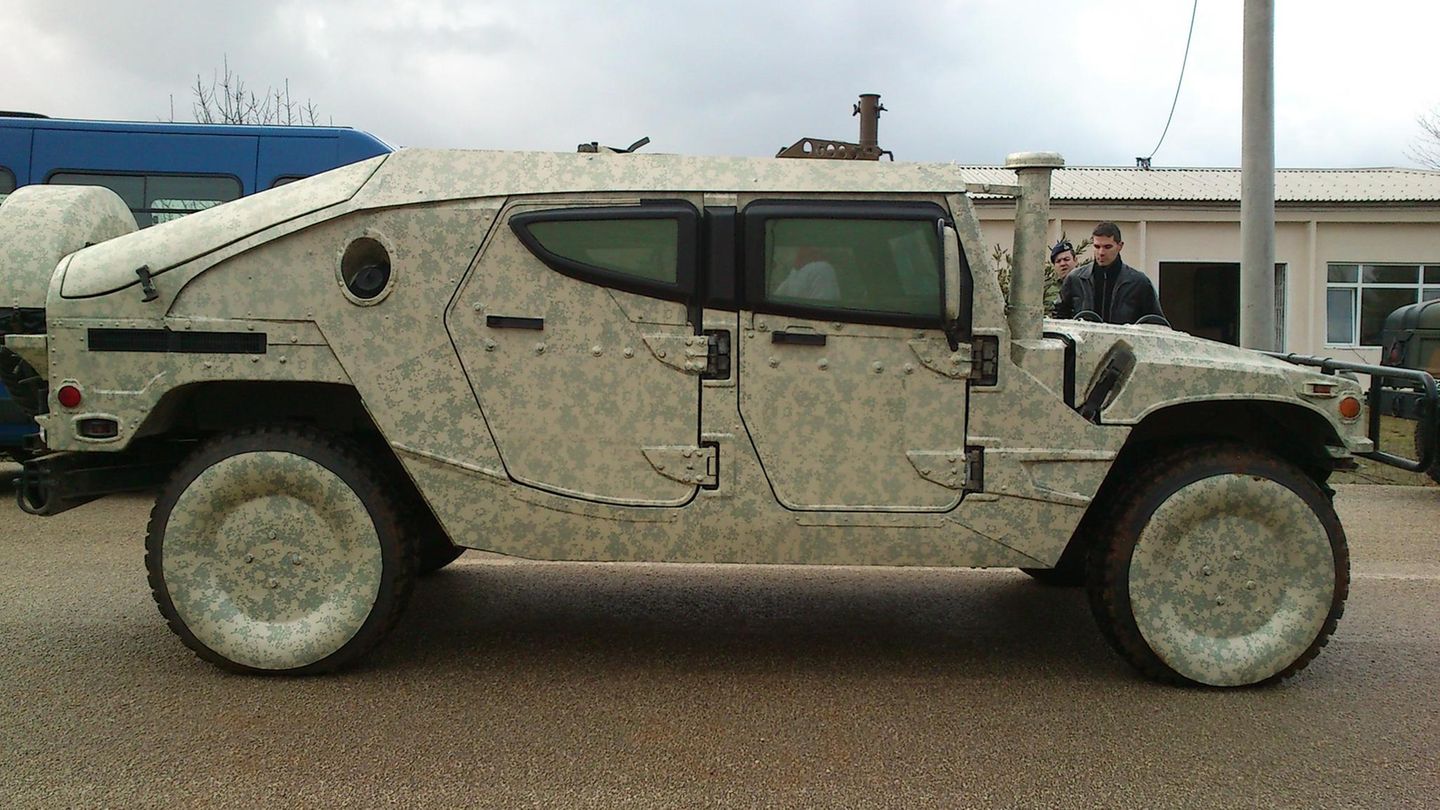
If you are seen by the enemy in battle, it often ends fatally. A Greek company has developed a special camouflage to prevent it from being shot down. It is intended to make soldiers, military vehicles and systems almost “invisible” in war.
You've probably seen plenty of Army vehicles on the road. They might be standard olive drab, or possibly a desert camouflage pattern. However they're painted, the basic material for the coating is called CARC, Chemical Agent Resistant Coating.
Nothing could describe more accurately modern warfare and stealth becomes more valuable than ever.
Intermat Group is pleased to announce that within its Authorized Centers of Application (ACA) establishing program it has initiated cooperation with CFI in Huntsville, Alabama, US.
Intermat Group is pleased to announce it will be exhibiting at IDEX 2013, on 17-21 February in Abu Dhabi, at stand number 11-A26.
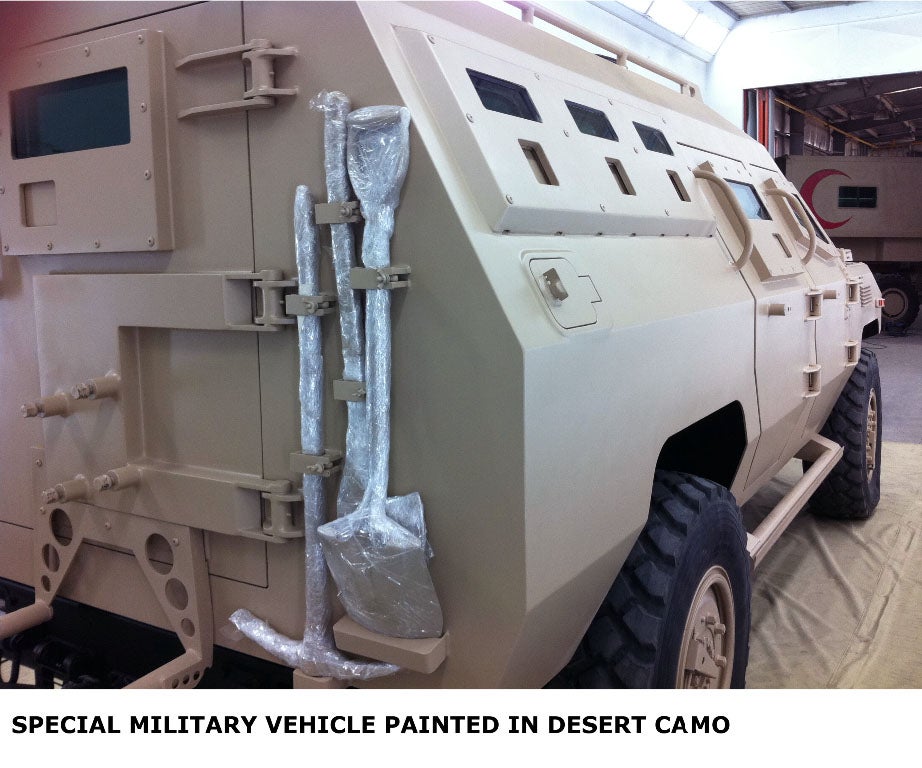
"Deserts take up about one third (33%) of the Earth's land surface". Land warfare planners and of course soldiers in the field cannot ignore that fact. And desert background is dominant in the majority at some of the "hottest" areas around the world and some of them are surely candidates to host the next Theatre of Operations.
What do all current and presumably nearby future Theaters of Operation have in common?
In most cases an attacker already knows a friendly force's installations and facilities grid coordinates.
In Intermat's latest white-paper, already released for download here, we presented the inner core of modern stealth coatings capabilities.
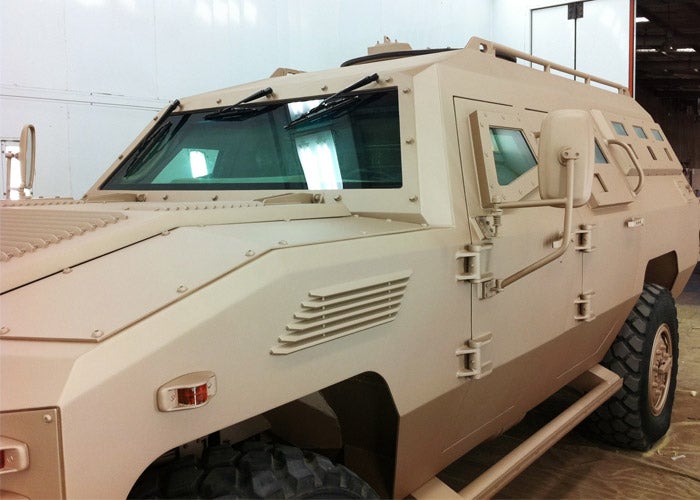
A unique and unmatched technology in anti-thermal/IR coatings, protects your assets and strategic infrastructure from EO/IR threats - effectively, affordably, reliably and above all always “alarmed” against detection and targeting from missile threats (anti-tank, cruise, drones, UCAV, etc).
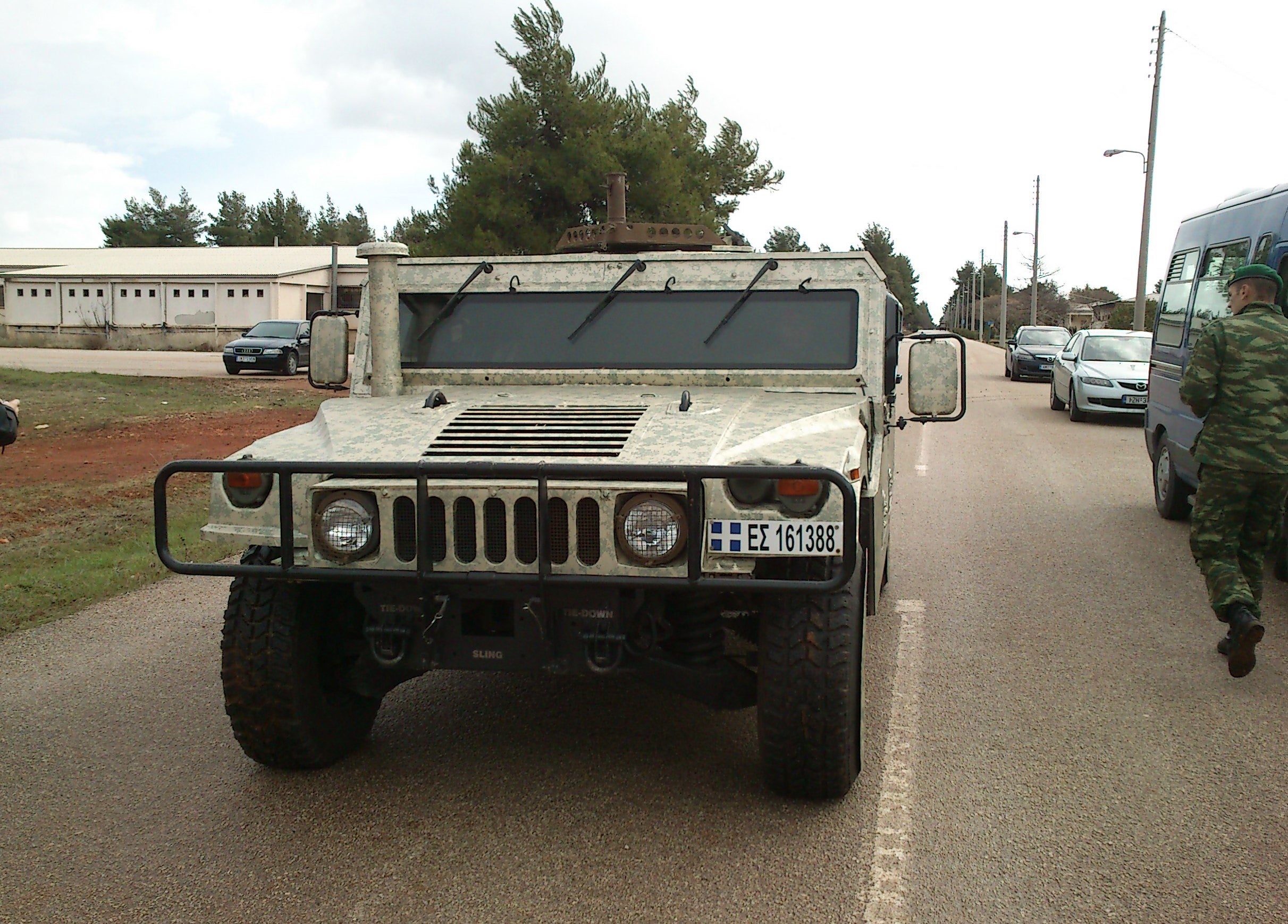
Intermat has developed a state-of-the art product, the "CHAMELEON SKIN©" which comes in the form of a decal of top 3M quality and provides all stealth capabilities ready to be applied by military/law enforcement personnel as easy as a "stick-n-go" action.
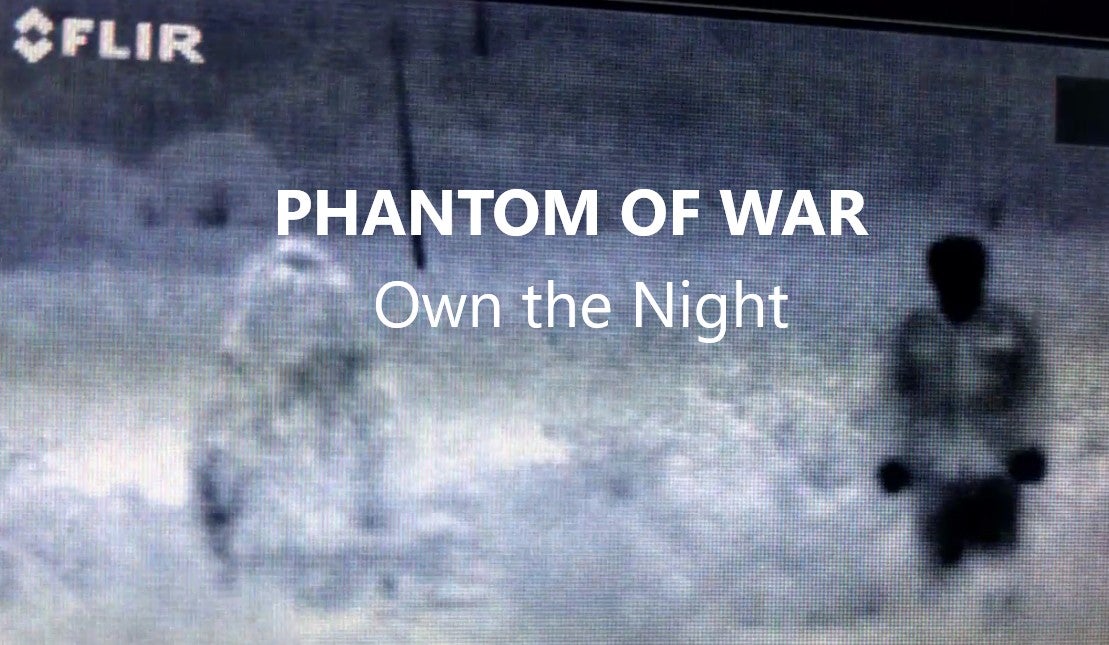
Intermat Multi-spectral cover “Stealth Cloak” is an advanced material that simultaneously hides objects from detection methods such as Thermal/IR & Radar and millimeter-wave radar imaging.
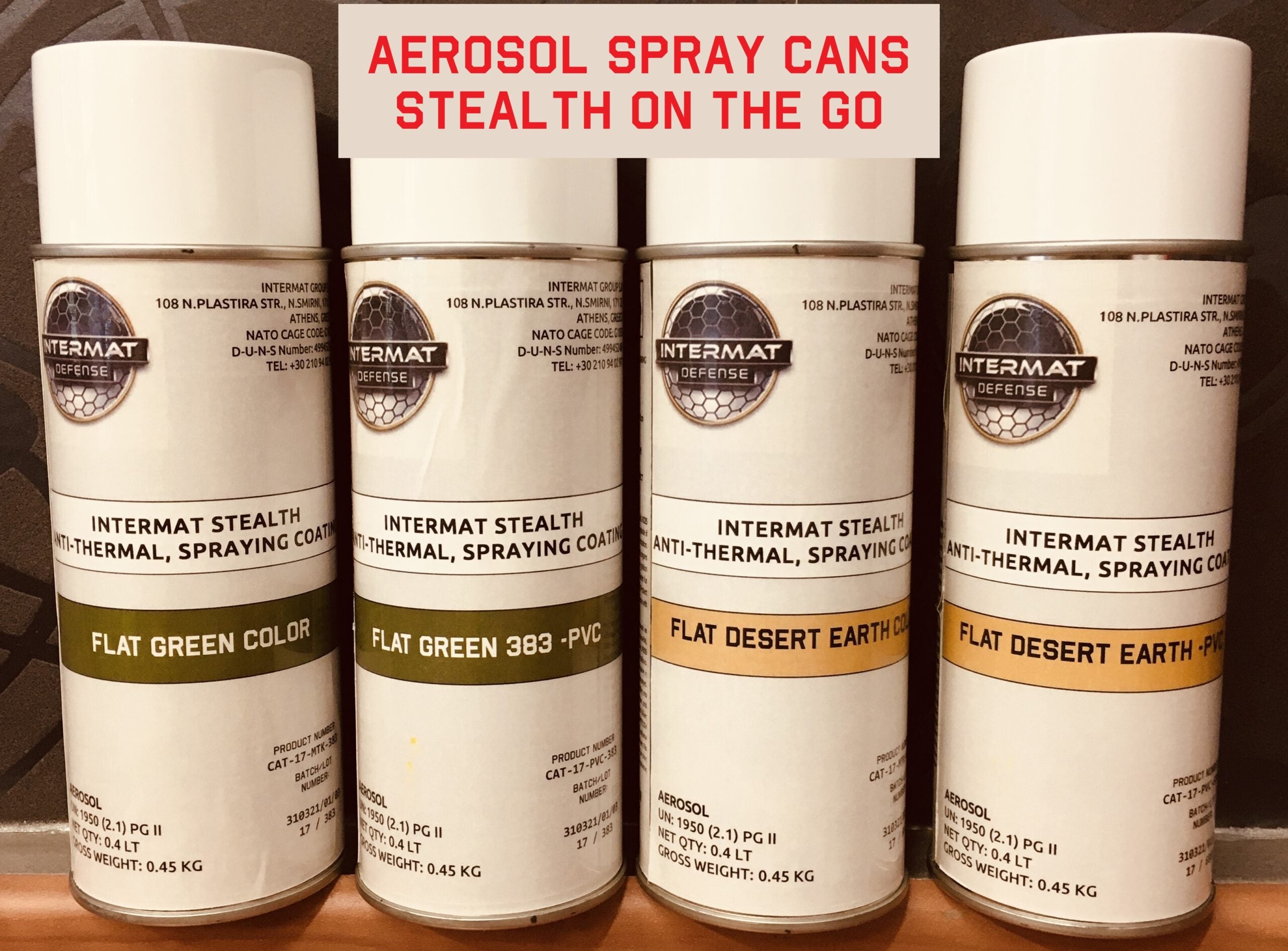
Anti-detection and anti-targeting paint for protection against surveillance and targeting acquisition systems and sensors.
A GHILLIE suit powered by Intermat's Stealth technology, allowing you to pass undetected against night vision, thermal sensors, and ground surveillance radars while approaching enemy lines.