
When the Armour Goes on, Sometimes That’s When the Problems Start
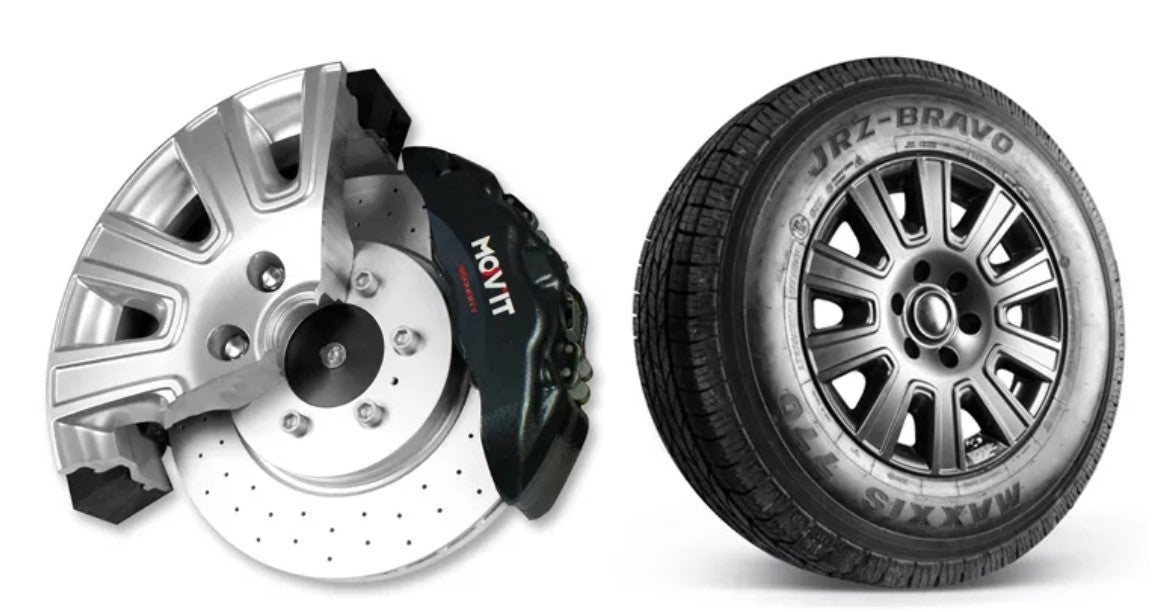
Extra protection changes everything. Weight, heat, braking, stability, and whether a vehicle can still keep moving when it matters.
Most people notice the armour first.
The thick glass. Heavy doors. The way a vehicle suddenly sits lower and wider once protection has been added to it. What gets missed is what happens underneath afterwards, because once you start adding serious weight to a platform, things begin changing quite quickly.
Brakes heat up faster. Suspension geometry shifts. Steering feels different. Tyres are carrying loads they were never originally designed for. Even a puncture becomes a much bigger problem when the vehicle weighs several tonnes more than standard.
That awkward space between protection and mobility is where TSS International B.V. has spent years working. Long before ‘mobility solutions’ became one of those phrases every company started using.
Founded in the Netherlands in 1976, TSS built itself around a fairly simple idea: armour only matters if the vehicle can still move properly after something has gone wrong.
“There’s no value in protection if the vehicle stops becoming usable,” says Louis Huijzen, who leads the TSS business today. “Once armour goes onto a vehicle, you can’t just think about one component anymore. Everything is affected by the weight.”
It sounds obvious enough. But in practice, a lot of armoured vehicles still end up chasing fixes for problems created elsewhere. A protected SUV or utility platform can gain huge amounts of weight after conversion. Sometimes, far beyond what the original civilian chassis was intended to deal with. That extra mass changes almost everything about how the vehicle behaves, particularly over time.
One emergency stop is usually not the issue.
It’s the repeated stops afterwards. Heat is building up in the braking system. Components are getting pushed harder than they were designed for. Response becomes inconsistent when the vehicle is fully loaded and operating in poor conditions.
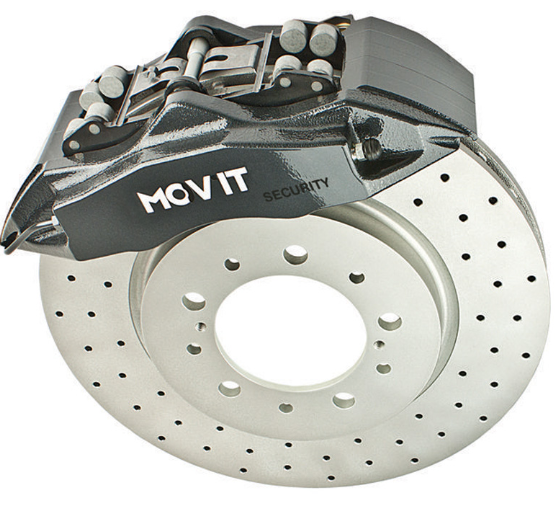
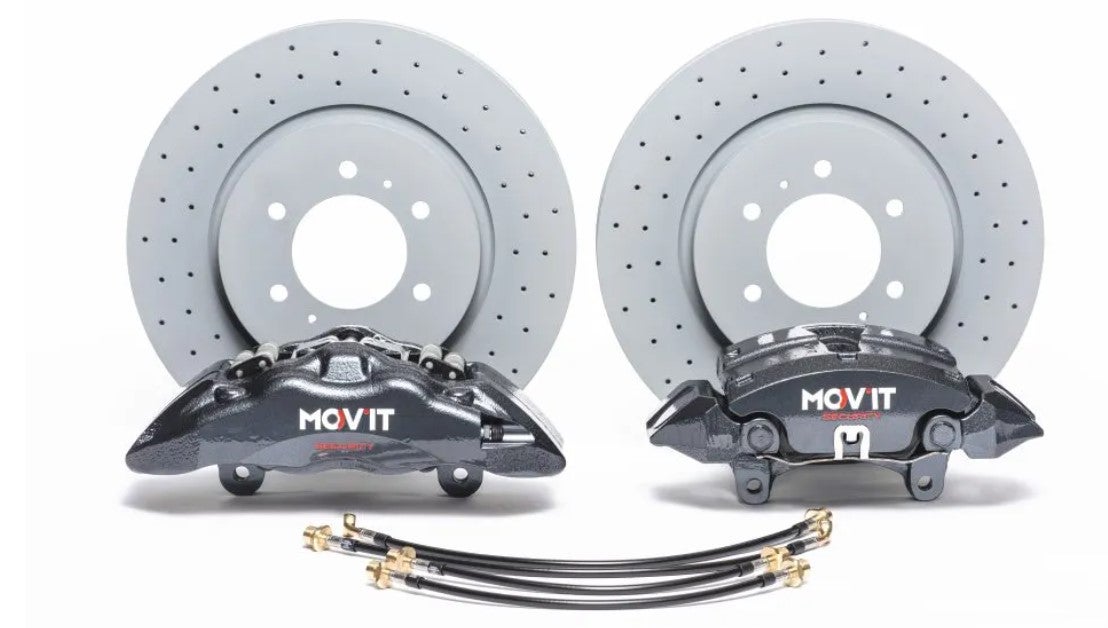
TSS has put a lot of focus into that area, particularly with braking systems developed alongside MOV’IT for heavier platforms, including armoured Toyota Land Cruiser 300 vehicles. The emphasis seems to be less about headline-stopping distances and more about maintaining consistent braking performance when the system is under repeated stress.
Which, realistically, is what operators care about.
In testing on heavily armoured platforms, upgraded systems showed far stronger resistance to brake fade during repeated high-energy braking cycles than some more standard setups. That matters in urban driving, especially where vehicles can go from crawling traffic to hard braking very quickly.
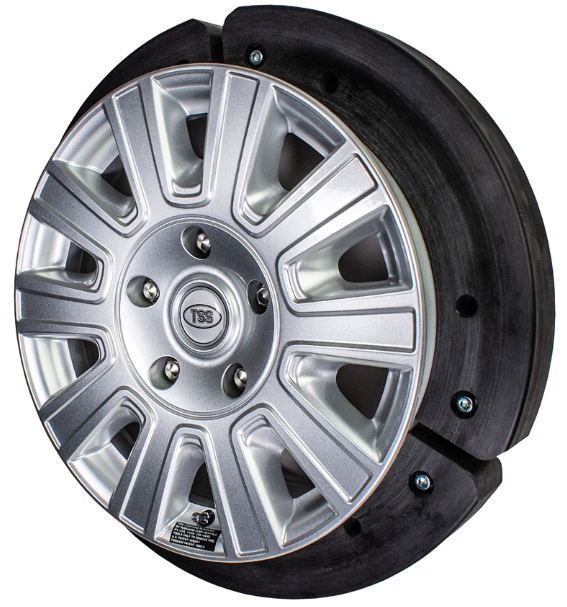
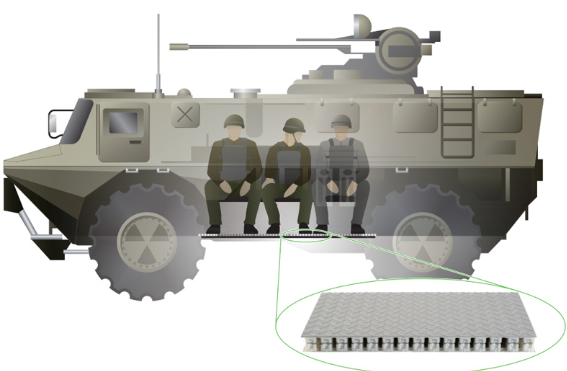
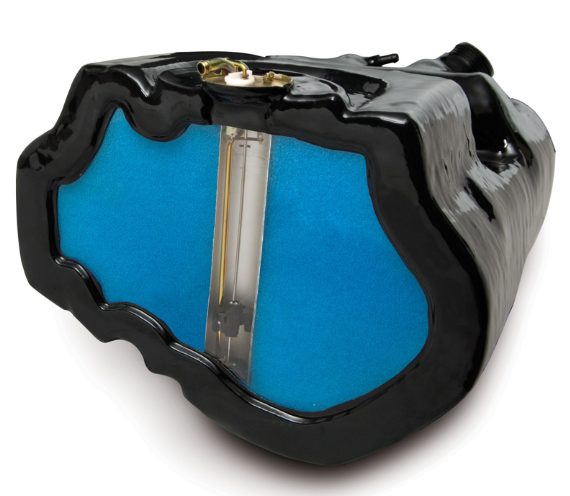
The company approaches mobility in a fairly joined-up way overall. Runflat wheel assemblies are designed for heavier loads. Self-sealing fuel tanks are intended to reduce the risk of fire after ballistic damage—suspension systems aimed at bringing back some stability and control once armour changes the vehicle’s handling characteristics.
None of it is particularly flashy. And maybe that’s why it works.
“There’s a difference between something performing well once and performing properly every day,” Huijzen says. “Customers are asking tougher questions now. They want to know how systems behave after repeated use, under load, in heat. Not just in ideal conditions.”
That feels pretty reflective of where the wider market has gone. Protection levels keep increasing, which means vehicle weights keep climbing with them. At the same time, operators are expecting more reliability from platforms already being pushed hard mechanically.
TSS has gradually moved further towards complete mobility packages because of that. Wheels, runflats, braking systems and associated components were developed and tested together rather than treated as separate upgrades bolted on afterwards. There’s probably a practical reason for that approach. Once everything carries your name, there’s not much room left for excuses between suppliers.
It’s also the kind of conversation the company expects to be having throughout the week at Eurosatory 2026 in Paris, where TSS will be based on the Netherlands Pavilion, among a wider industry increasingly focused on what happens after the armour has been fitted, not just before it.
Beyond vehicles, the company has also expanded into personal protection systems, including the SKYDEX IsoFit helmet liner platform trialled with military users in Europe. Different product category, same sort of thinking behind it, really, reducing fatigue, improving long-term comfort, helping equipment work properly over extended periods. After nearly fifty years, TSS still seems focused on the same core idea it started with.
Because in the end, armour by itself is only part of the story.
What matters is whether the vehicle still behaves the way it needs to when conditions turn bad. Whether the brakes still respond properly late into a journey. Whether damaged tyres still keep the vehicle moving. Whether the added protection has quietly created new weaknesses somewhere else. That’s the side of the problem TSS has spent decades dealing with. Not the part most people notice first, but usually the part that matters when it counts.