From Vapour to Particles: Advancing Practical Sampling in Explosive Trace Detection
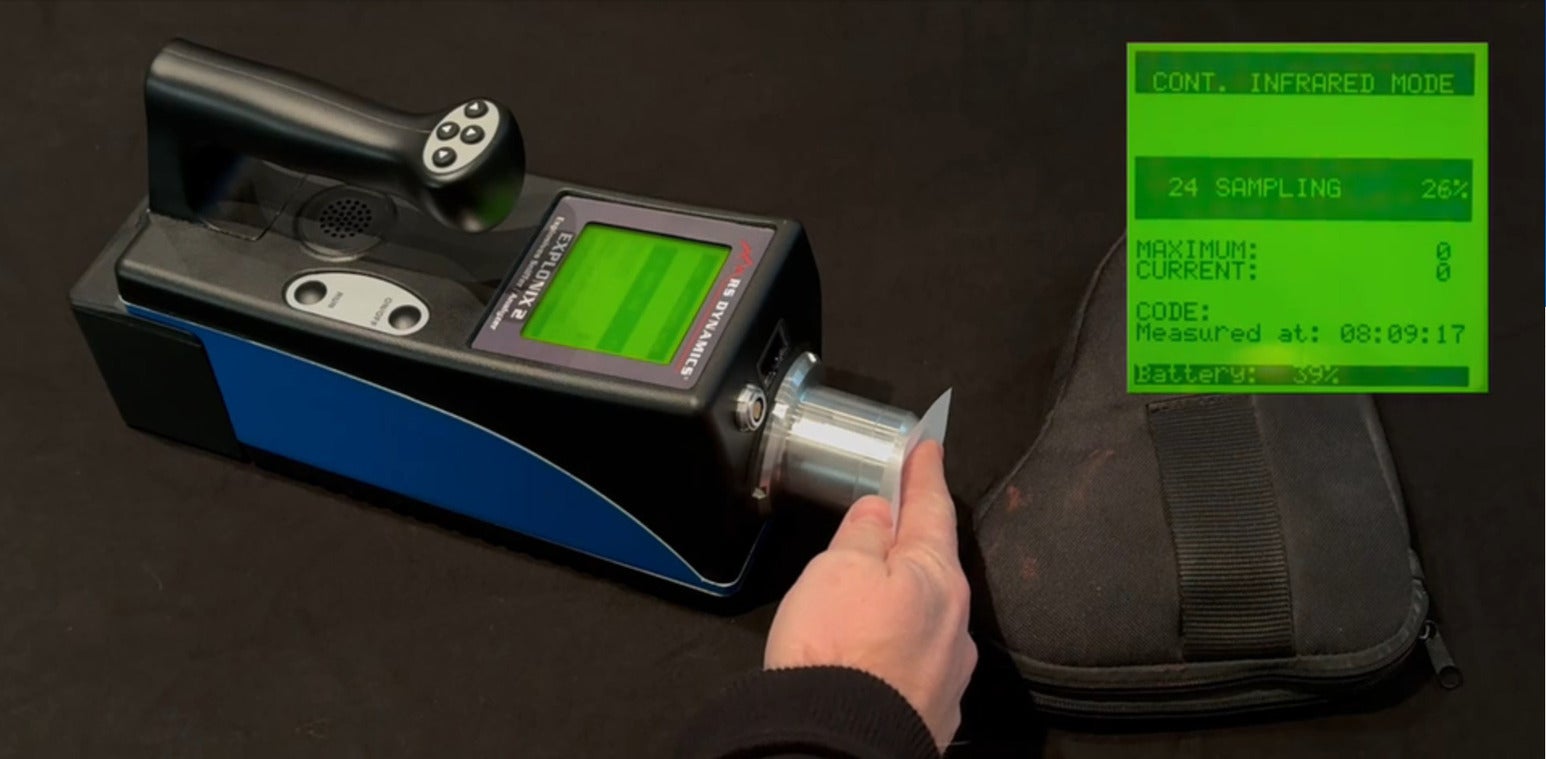
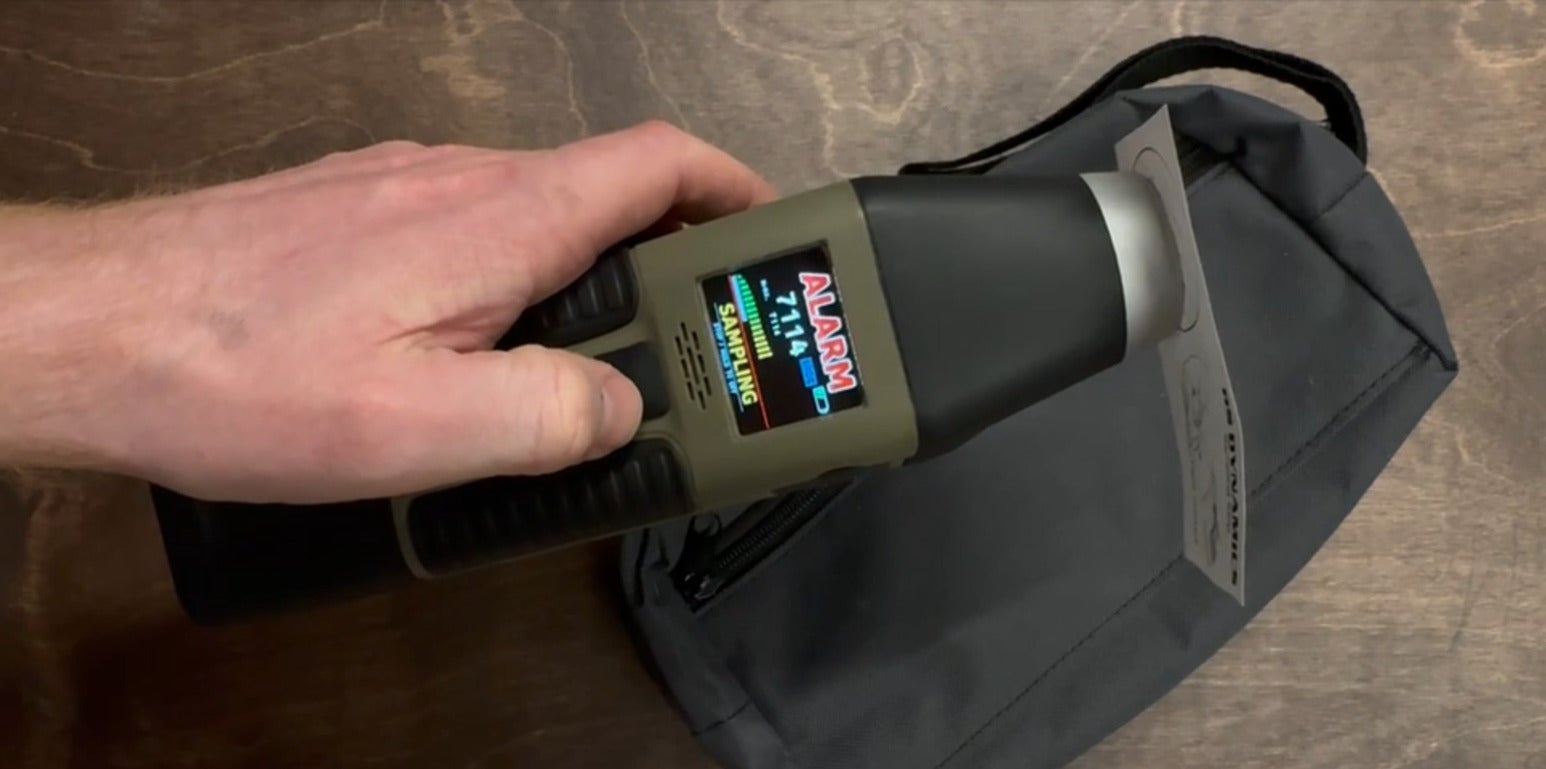
Explosive Trace Detectors (ETD) are widely deployed in the security field to find trace amounts of explosive materials. These systems typically operate in two primary sampling modes: vapour detection and particulate sampling. Vapour mode relies on the presence of explosive compounds in the gas phase, while particulate mode captures solid residues through physical contact. The effectiveness of each approach is strongly influenced by the physicochemical properties of the target analytes, particularly their vapour pressure at ambient conditions.
This paper examines the fundamental limitations of vapour-based detection for common military, commercial, and improvised explosives. Most widely used explosives, including TNT, RDX, PETN, and HMX, exhibit extremely low vapour pressures at room temperature, often in the parts-per-trillion (ppt) or parts-per-quadrillion (ppq) range. As a result, the concentration of these compounds in air is typically below the detection limits of portable ETD instruments.
Through analysis of sampling physics and real-world operational constraints, this paper demonstrates that particulate sampling provides a significantly more reliable pathway for detection. The findings suggest that reliance on vapour mode in handheld ETD systems may lead to reduced detection probability, particularly in field conditions. Practical implications for system design and deployment strategies are discussed.