
In a speech addressing the Canadian Global Affairs Institute conference on the modernisation of North American Aerospace Defense Command (NORAD), the Canadian Minister of National Defence Bill Blair laid out plans to deepen the Canadian-US aerospace warning and detection partnership.
“We are deepening our commitment to the extraordinary defence partnership that Canada and the United States share. It’s a relationship unlike any other in the world,” he stated.

Discover B2B Marketing That Performs
Combine business intelligence and editorial excellence to reach engaged professionals across 36 leading media platforms.
“This means building a new Arctic over the horizon radar capability that will vastly improve our ability to detect threats from the North.”
Funds have already been allocated toward this effort in 2022, amounting to C$40bn ($29.2bn). However, Blair now aims to mobilise these funds to develop “several interoperable over the horizon radars across the two nations.”
He pointed out that this growing endeavour will provide “our decision-makers a clear 360-degree picture of incoming threats.”
Blair touched on the uncertain security climate in which the North American region is not securely protected by its oceanic distance from the rest of the world. In his speech, he referred to the numerous Chinese spy balloons that infringed Canadian, US and supposedly South American airspace in an effort to attain intelligence back in February 2023.
“Many of you will recall, a Chinese surveillance balloon violated our sovereignty and we’ve been seeing a growing number of Chinese dual purpose research vessels and surveillance platforms incurred into our region. To contend with these threats, I want to acknowledge to you all we’ve got some work to do. We’ve actually got a great deal of work to do.”
A new NORAD pledge
The Minister added that Canada will upgrade its existing infrastructure in sites at Inuvik, Yellowknife, Iqaluit and Goose Bay. “We’re of course doing that in consultation with indigenous and Northern partners,” he added.
Currently, there are 1,000 Canadian personnel employed on the NORAD mission across North America.
Moreover, the country provides fighter aircraft on alert status as part of the organisation during normal operations, and also operates and maintains the Canadian portion of the North Warning System as well as three of the mentioned forward operating locations.
Building on an updated national strategy
This announcement comes off the back of the Canadian Government’s latest C$52bn investment over the next two decades to equip its Armed Forces amid the uncertain security environment playing out on the world stage.
Specifically, Canada will start to invest C$8.1bn over the next five years, and C$73bn over the next two decades.
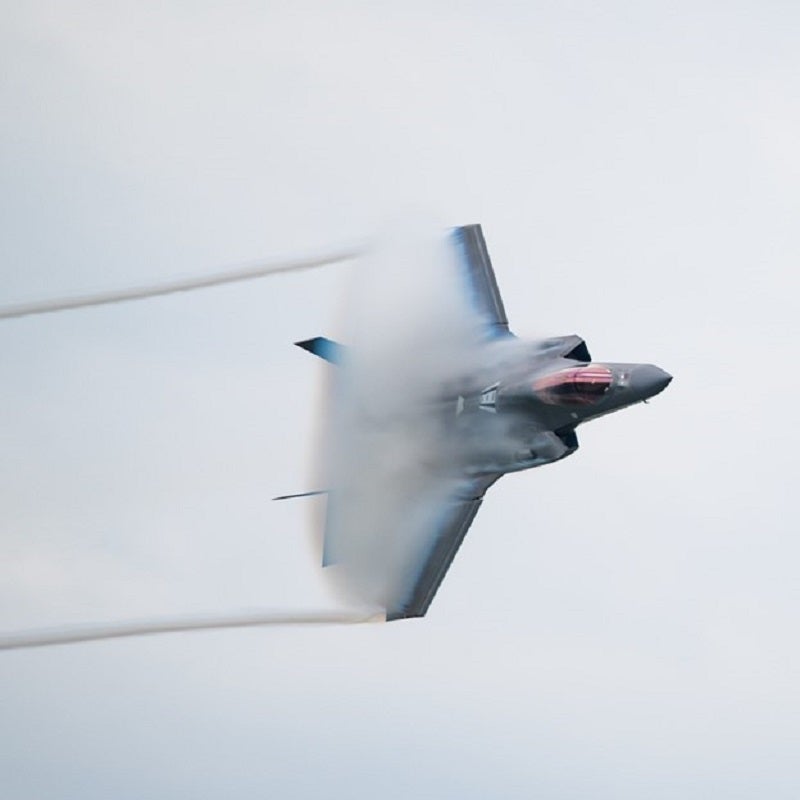
Within these new funds, NORAD will benefit directly from a new satellite ground station in the Arctic worth C$222m, besides all the trappings of an expanded F-35A fighter fleet among other things, “most these new platforms will reach initial operating capability between 2026 and 2030,” Blair predicted.