

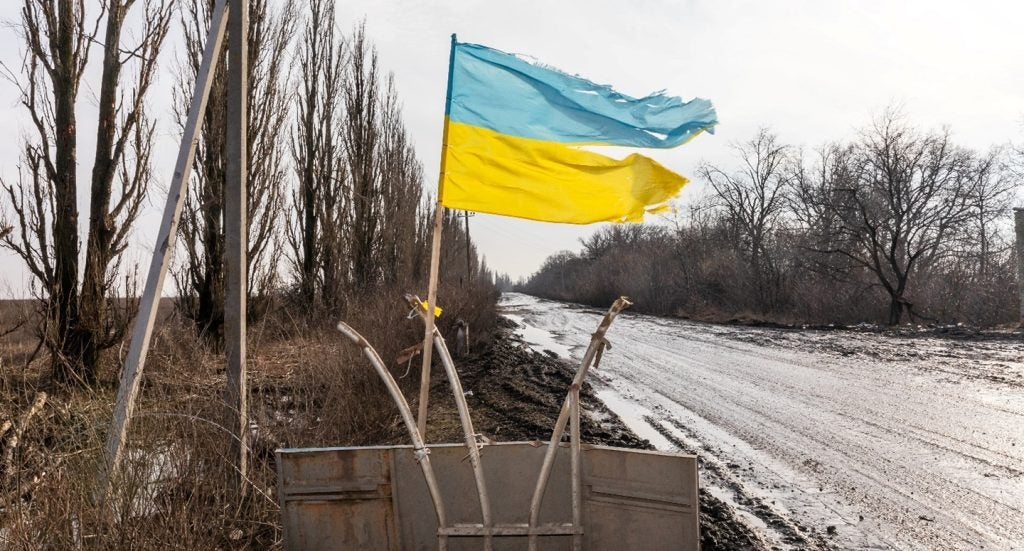
- Ukrainian president Volodymyr Zelenskyy claims forces have prevented an anticipated Russian offensive in the Donbas region
- In obtaining Russian plans in early March, Zelenskyy judged their objectives to be unrealistic, exposing an ill-informed Kremlin
- While Russia loses momentum, Ukraine make tactical successes
Ukraine has “thwarted” Russia’s planned strategic offensive in the Donetsk and Luhansk regions in the Donbas, according to a statement from president Zelenskyy on 16 March.
The offensive, which Ukraine has expected for over a fortnight, was detailed in leaked Russian operational plans covering 2025 through to 2027. The documents revealed what Zelenskyy considered unrealistic strategic objectives to seize the remainder of the Donbas, continue advancing in Zaporizhzhia and Kherson oblasts, and advance into and seize all of Odesa Oblast.
Open source intelligence provider, the Institute for the Study of War, suggested these objectives demonstrate Russian commanders operating in “an alternate reality” completely unattainable given its current battlefield capabilities.
Shock and awe
Zelenskyy ascribed the foiled offensive to the “intensity” of Ukrainian assaults and the “scale” of confrontations across the frontline.
Success through denial was achieved despite widespread concerns over Ukraine’s lack of manpower. Some observers of the conflict, such as the Atlantic Council, predicted Russia’s numerical advantage would only grow wider in 2026.

Ukraine’s head of state proceeded to thank units in the Donetsk sector, but also those defending the Kharkiv region and the border areas of the Sumy region.
This widespread action indicates that Ukraine had diverted Russian troops, exhausting their ability to wage their intended, focused offensive in the east of the country. ISW corroborates this, alluding to Ukrainian advances in Dnipropetrovsk oblast (bordering the Donbas) which are likely constraining Russian offensive operations in the Oleksandrivka direction (in Donetsk) and may soon threaten Russian offensive operations in the Hulyaipole direction (in Zaporizhzhia).
It has enabled Ukrainian troops to make some tactical successes too, with forces penetrating numerous areas in the last week.
Status on the wider conflict
Ukraine has also struck oil infrastructure in Krasnodar Krai in Russia on the night of 15 to 16 March.
This strategy works not only to disrupt logistics but to deprive Russia of funds for its war effort.
To that end, Ukrainian drone strikes complement global sanctions on Russian oil; particularly in tandem with efforts among partners to curtail trade conducted by Russia’s Shadow Fleet.
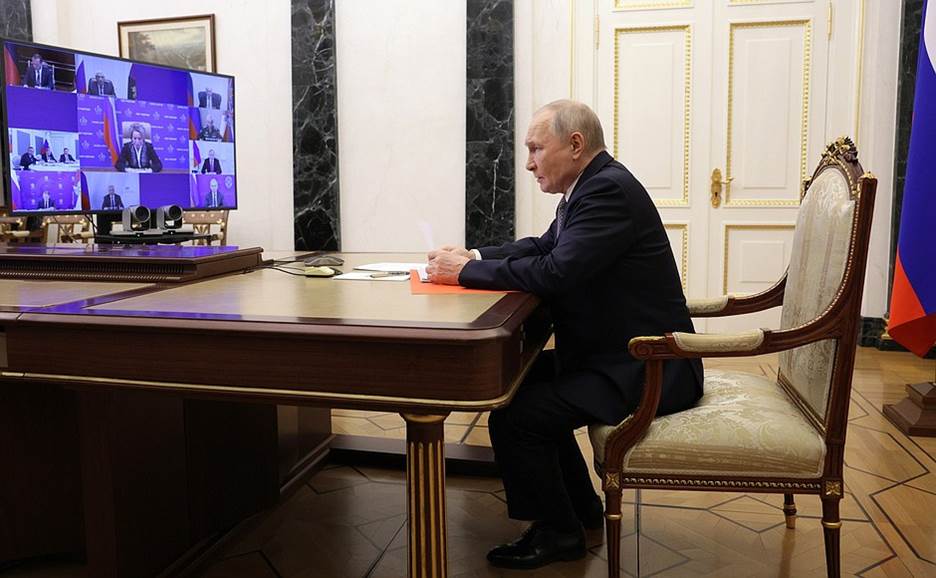
Furthermore, Ukraine’s Ministry of Defence has received a new batch of PAC-3 missiles for its Patriot air defence batteries from Germany. It is significant that the government, in a release issued on 13 March, emphasised its coveted role in protecting Ukraine against advanced missile threats.
This includes Russian conventional Iskander ballistic missiles as well as Kinzhal and Zircon ballistic and cruise missiles, both of which the Kremlin claim are hypersonic weapons. But for this to be true, the missiles must exceed Mach 5, which they do, however experts question whether the new arsenal meet other technical requirements – particularly the ability to manoeuvre at high speeds sustainably – to be strictly categorised as “hypersonic”.
The air defence segment is the cardinal concern for Ukraine, with plans to identify all aerial threats in real time, and intercept at least 95% of missiles and drones.
In a notable contrast to the PAC-3 requirement, Ukraine is advising Gulf nations to rely on low-cost interceptors to meet the Shahed drone threat, rather than waste costly missiles designed for higher altitude and more advanced threats like ballistic and hypersonic missiles. The type of threat dictates appropriate effectors, and an ability to adapt to this has complicated modern air defence practices.