

The global defence sector has seen a year of considerable change as the war in Ukraine continues through a fourth year since Russia’s large-scale invasion, China’s increasing assertiveness, and political and social unease among Western powers.
Particular trends can be seen in the growth of uncrewed naval vessels, the massed adoption of drones for strike purposes in the land domain, and air domain advances in sixth-generation fighter and bomber programmes.
Go deeper with GlobalData


Discover B2B Marketing That Performs
Combine business intelligence and editorial excellence to reach engaged professionals across 36 leading media platforms.
To this end, coverage from Army, Naval, and Airforce Technology through 2025 has sought to keep our audiences informed with the latest procurement announcements, defence trends, and deep analysis into the global currents shaping the markets.
These are the Top 10 news articles from the past 12 months.
Why is Canada’s Type 26 a destroyer and not a frigate?
Unlike the UK and Australia, Canada’s development of the UK-origin Type 26 design will see it produce the new class of naval warships classified as destroyers, rather than their Commonwealth allies’ respective City- and Hunter-class frigates.
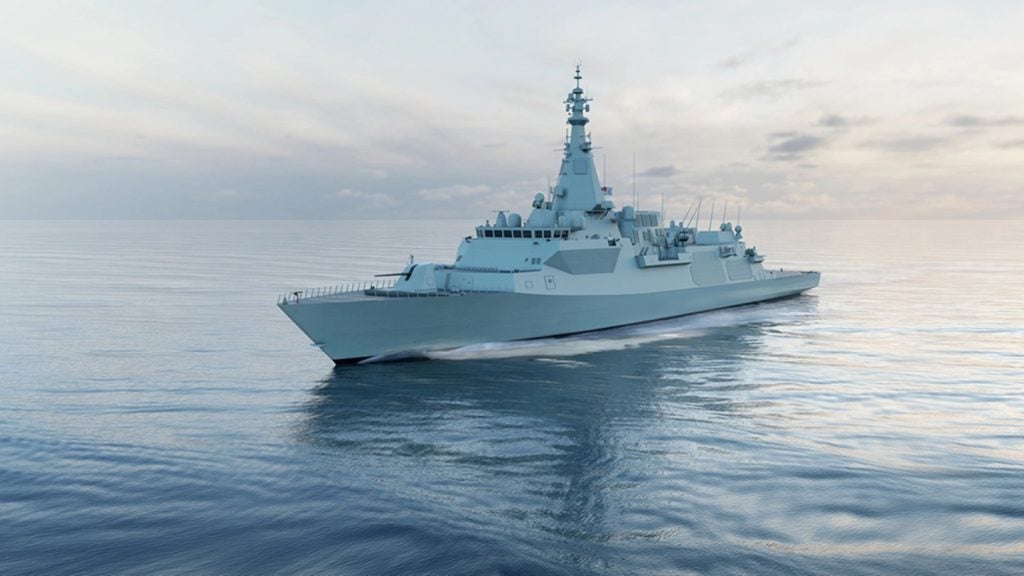
Canada’s future River-class destroyers will have the same length and width of BAE Systems’ original Type 26 design. So, what makes Canada’s Type 26 iteration a destroyer, instead of a frigate?

US Tariffs are shifting - will you react or anticipate?
Don’t let policy changes catch you off guard. Stay proactive with real-time data and expert analysis.
By GlobalDataRead the full story here.
Introducing the UK’s newest SSN – the Fantasy class
As far as paper fleets go, the UK government’s plan to build up to 12 of the next generation SSN AUKUS (SSN-A) nuclear-powered attack submarines for the Royal Navy is right at the apogee of defence ambition.
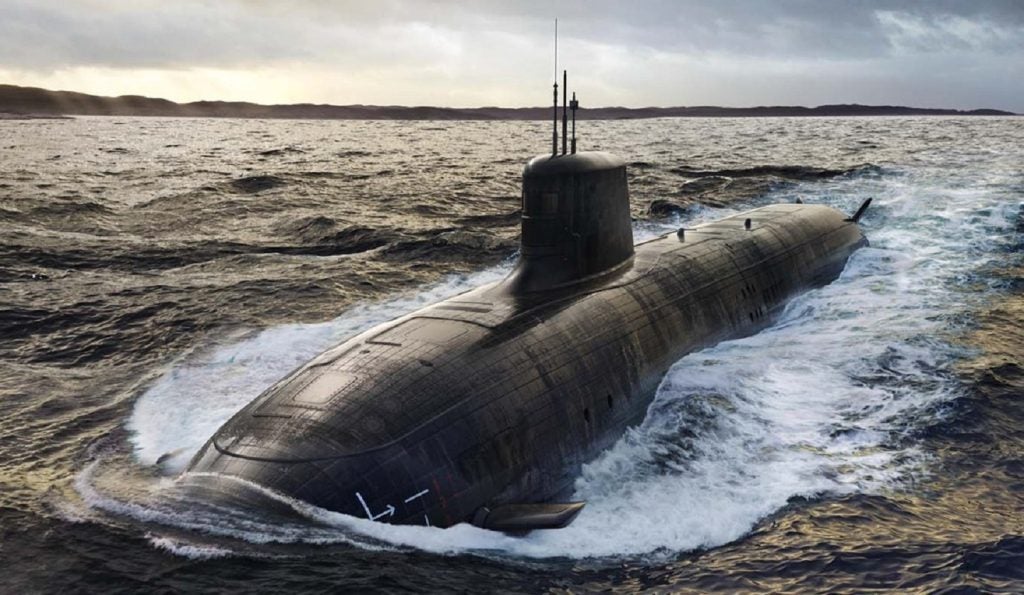
In this scenario, an emboldened Royal Navy, operating at some point in the 2040s, will begin to replace its existing seven-strong Astute-class SSNs with new, let’s call them the ‘Fantasy class’, SSN-A boats, derived from the AUKUS platforms being jointly developed with Australia.
Read the full story here.
India vs Pakistan: a military comparison
No stranger to armed conflicts, India and Pakistan have developed capable military forces able to conduct operations across the warfighting spectrum. Both countries, to a greater or lesser degree, rely on defence imports, with Russia and China leading respective suppliers.

Tensions between India and Pakistan increased following the April terrorist attack in Indian-administered Jammu and Kashmir, which Delhi blamed on Islamabad, who in turn denied the allegations.
Read the full story here.
What is Gravehawk, Ukraine’s secretive new air defence system?
Hidden in the weeds of a UK military assistance package to Ukraine in January was the mention of a new air defence system, dubbed Gravehawk, previously unknown to defence observers, in what appeared to be part of Kyiv’s move to harness rapid defence innovation in its ongoing war against Russia.
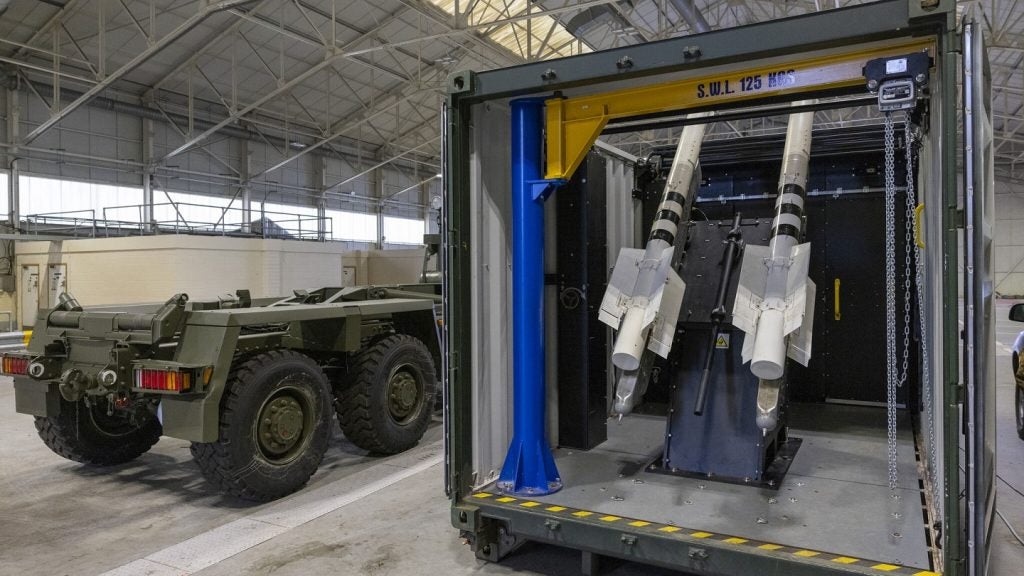
Announced during the visit of UK Prime Minister Keir Starmer to the war-torn country on 16 January, Gravehawk was described as a UK designed “mobile air defence system” the size of a shipping container and able to “retrofit” air-to-air missiles into a ground-based air defence role.
Read the full story here.
UK trials cope cages for Challenger 2 tanks
The UK moved to test the efficacy of so-called ‘cope cages’ on British Army Challenger 2 main battle tanks (MBT), as combat experiences in the Ukraine-Russia war highlight the vulnerability of armoured vehicles to the new era of small drone warfare on the battlefield.
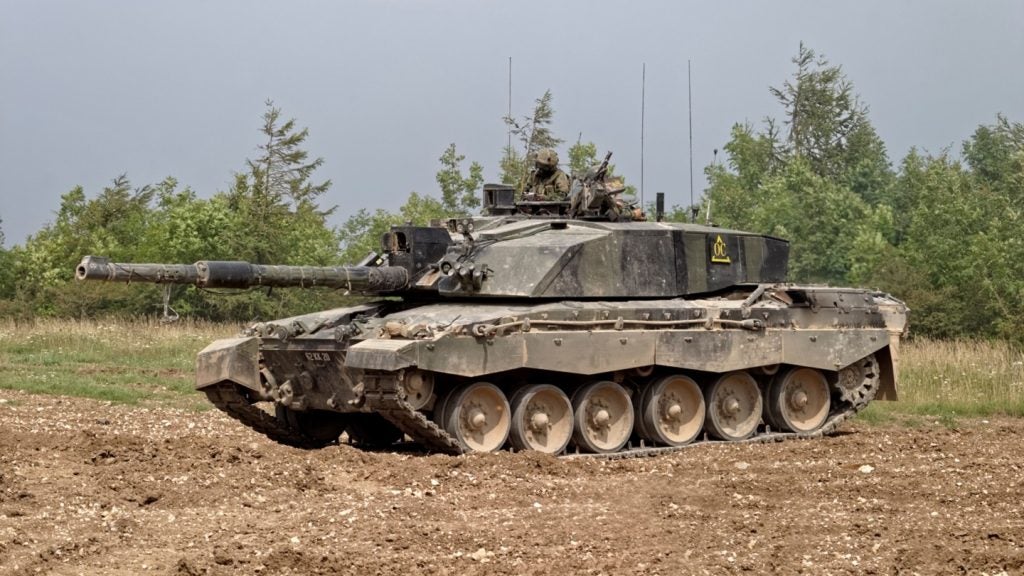
This story subsequently evolved later in the year as testing delivered initial results, which also detailed that concerns over cope cages included reduced situational awareness and a lack of use outside of a drone-saturated environment.
Read the initial story here, and the development here.
F-35 vs Eurofighter: UK decision will have consequences
The prospect of a UK acquisition of more F-35 stealth fighters in favour of Eurofighter Typhoons continues to hold the attention of defence observers, and while military capabilities are being analysed, another important factor to consider is the potential impact to the defence aerospace sector.
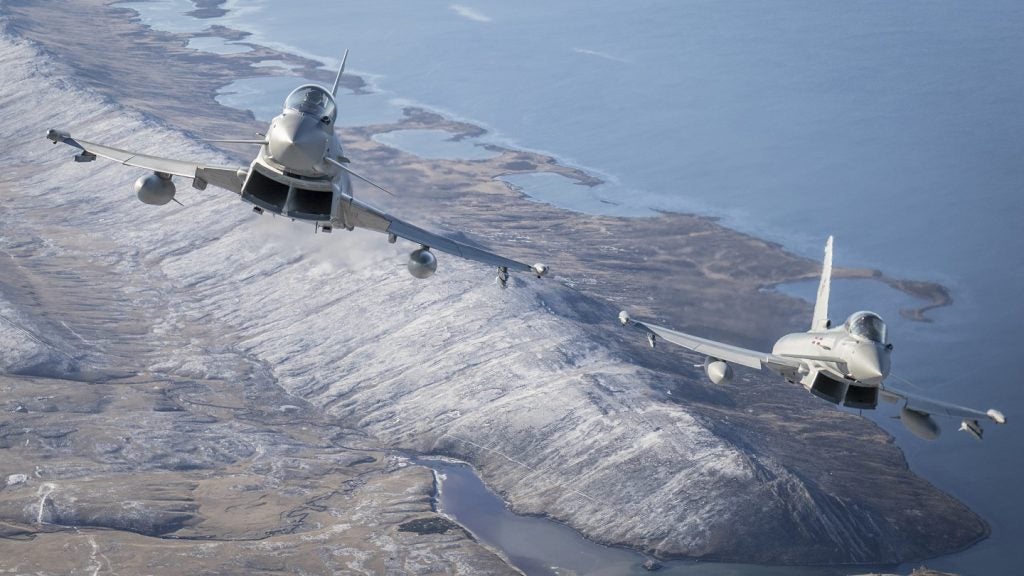
As it turned out, the UK did indeed opt to switch its procurement to the F-35A, rather than investing in its own Eurofighter production line which was only kept going thanks to an order from Turkey late in the year.
Read the initial story here, and the development here.
GCAP production expected for 350 fighters: how many will the UK get?
The tri-national Global Combat Air Platform (GCAP) programme, intended to deliver a next-generation fighter to the air forces of the UK, Italy, and Japan, is looking at a production order of 350 units by 2035.
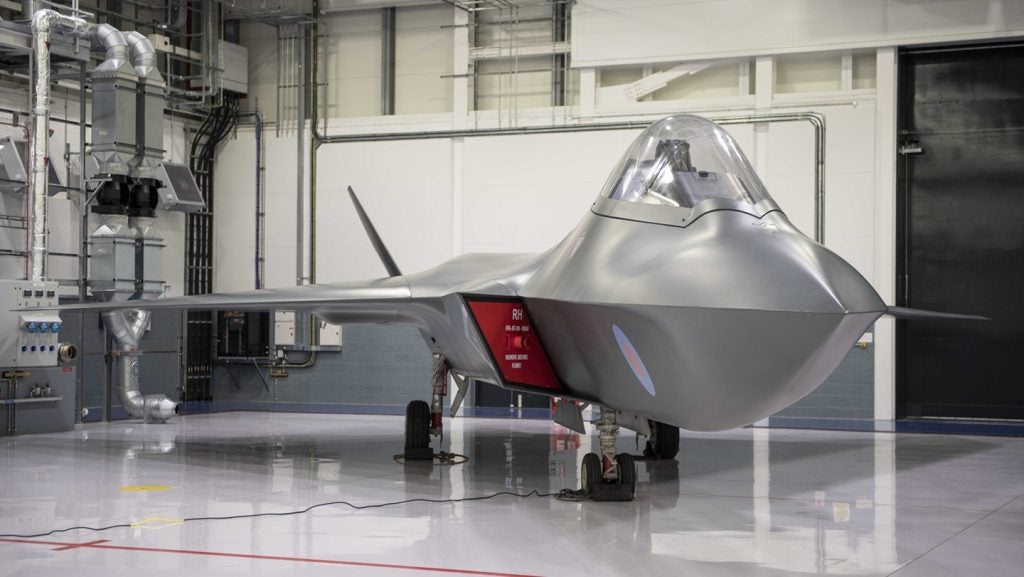
Formed through a merging of the UK-led Tempest and Japan’s F-X programmes, GCAP will produce a sixth-generation fighter with industries from the three partner nations collaborating on design and manufacture.
Read the full story here.
British Army consider locating ammunition and equipment in Europe
Nothing proves the UK’s “Nato-first” approach like stockpiling the British Army’s ammunition and heavier equipment in a number of storage facilities dotted around Europe.
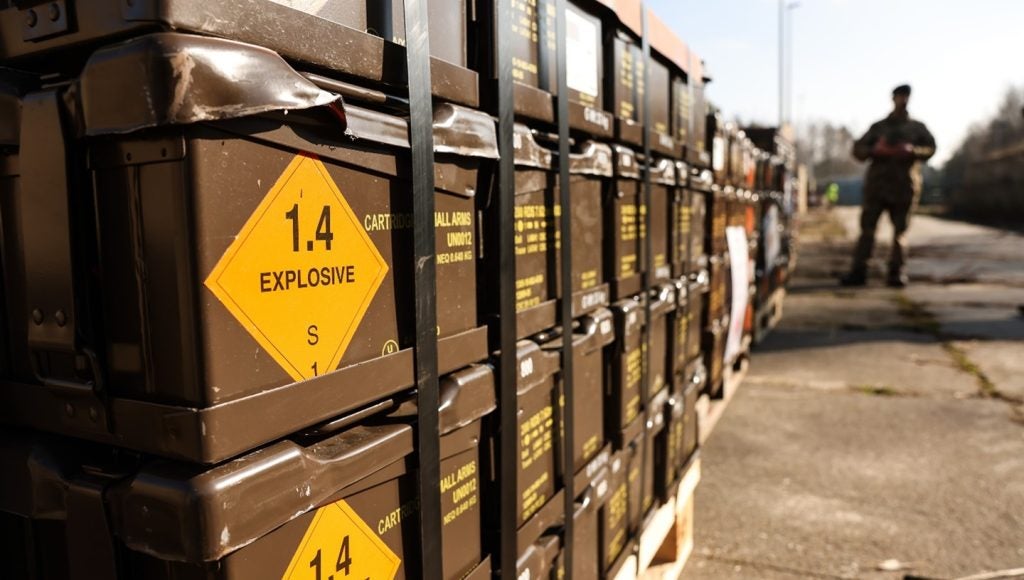
This is one piece of advice that the authors of the Strategic Defence Review (SDR) gave to the Ministry of Defence (MoD) in their report on 2 June 2025.
Read the full story here.
Extinction of the classical multi-purpose surface combatant
Thirty years from now, the conventional design of surface warships will no doubt change. So much, perhaps, that the concept of a single ‘multi-purpose’ vessel that performs a range of tasks may fall out of favour entirely.
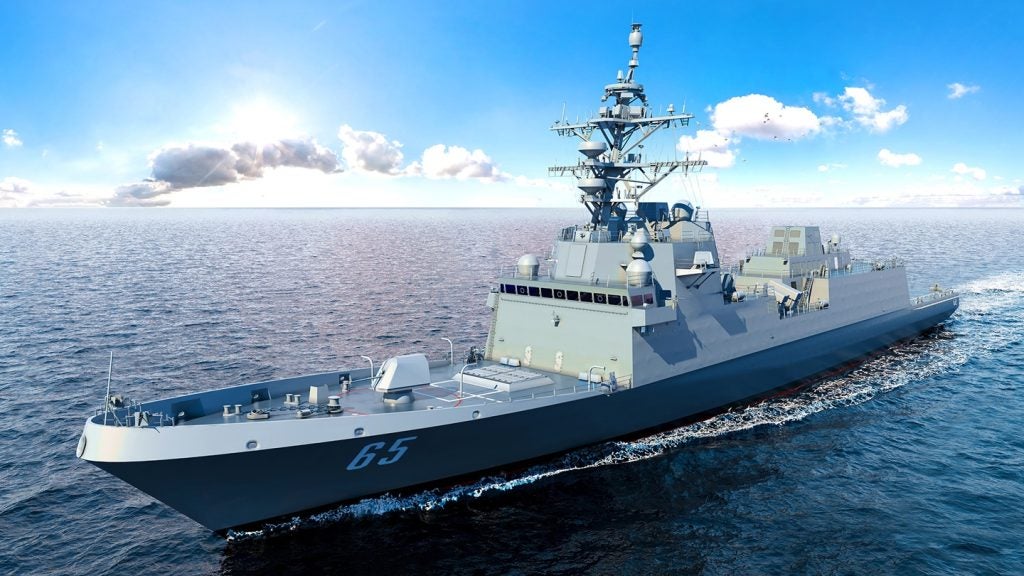
Instead, it may be that systems will be distributed more widely across the fleet and the armed forces in a highly integrated, multi-domain context.
Read the full story here.
German plan for 160 Boxer-based artillery reveals UK’s RCH 155 order
As part of a build-up of long-range fires the German Bundeswehr is seeking to expand its current four-unit structure up to a nine-strong force, revealed to comprise 160 mobile 155mm artillery, 110 tracked PzH 2000 155mm howitzers, and around 100 multiple launch rocket systems.
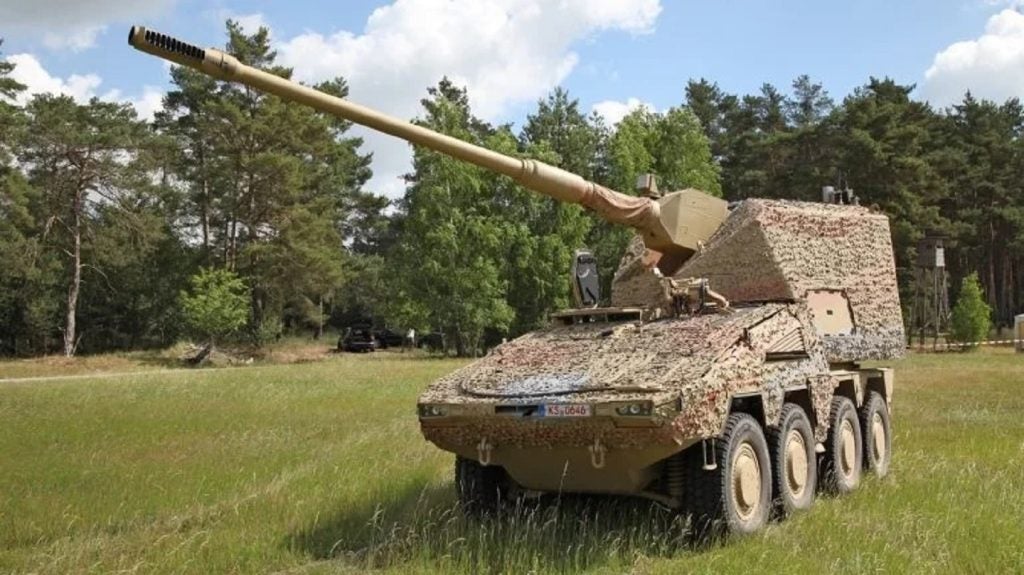
Information disclosed at DefenceIQ’s International Armoured Vehicle (IAV) event outlined the ambition of the German Army as it restructures in response to the Ukraine-Russia war from counterinsurgency and light rapid response into a full-spectrum land domain capability.
Read the full story here.



