

As starts to the New Year have gone, the US decision to enforce regime change in Venezuela and the capture of President Nicolas Maduro in the early hours of 3 January will be etched into the history books.
It is generations since the US last opted to forcibly change governments in what it considers its own backyard, instead preferring military operations far from home in the Middle East and Near Asia regions.

Discover B2B Marketing That Performs
Combine business intelligence and editorial excellence to reach engaged professionals across 36 leading media platforms.
However, the airstrikes over the night of 2-3 January, and the special forces raid to seize the Venezuelan president in the country’s capital city, marks a shift in how Washington wants to mould its own sphere of influence.
“Welcome to 2026, and under President Trump, America is back,” said US Secretary of War, Pete Hegseth, during a 3 January briefing at President Donald Trump’s Mar-a-Lago resort.

The concept and structure of the operation would have been noted around the world, particularly in Beijing, which has geopolitical designs in its own locale.
In its totality, the Venezuela operations showcased the scale of US combat airpower, and the vast resources that Washington has at hand if it chooses, as is apparent, that might is the right tool to use in order to achieve its objectives.
Venezuela regime change: Operation Absolute Resolve
Clearly months in the making, Operation Absolute Resolve – the name given to the mission to enact regime change in Venezuela – was said by US officials during a 3 January briefing to have been ready to go from early December 2025.
Pre-mission preparation involved intelligence gathering across the electronic and human spectrums, with agencies such as the CIA, NSA, and NGA specifically mentioned.
After weeks of waiting, and with a US naval taskforce moved into regional waters through the preceding months, a favourable weather window allowed US President Donald Trump to give the green light to the mission on 2 January.
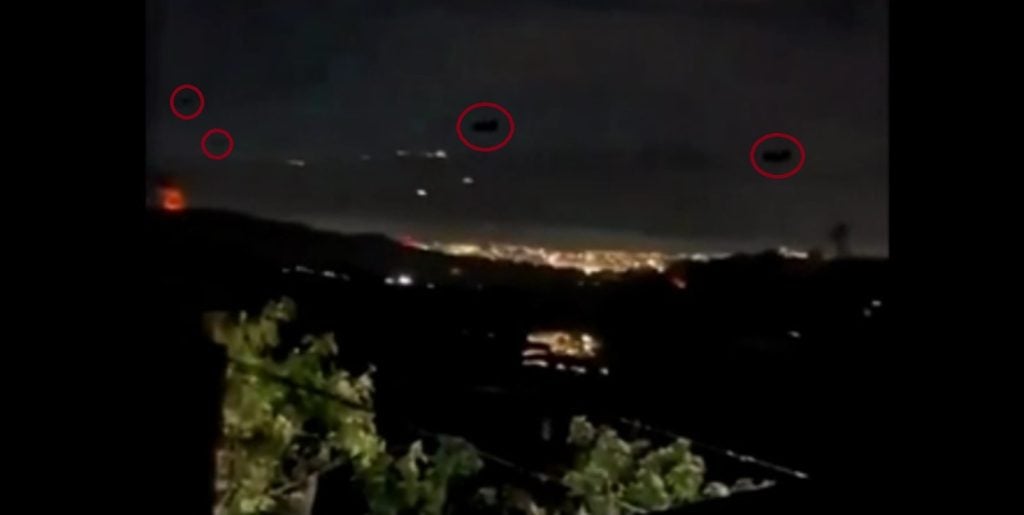
With this, cyber and space assets were tasked to “create a pathway” to enable access for a rotary interdiction force, flying at 100ft above the ocean, into Caracas.
As reported by Alex Blair in Army Technology, this was almost certainly the US Army’s 160th Special Operations Aviation Regiment (SOAR), using MH-47 Chinook helicopters, and what appeared to be MH-60s, in dramatic videos posted on social media.
Named US air assets in Operation Absolute Resolve
On multiple occasion, the air assets used in the capture of Maduro was described as a “joint force”, publicly naming the US Air Force, US Marine Corps, and US Navy. It is likely that US Army rotary-wing assets were also used, also this has not been made public yet.
F-22 Raptor
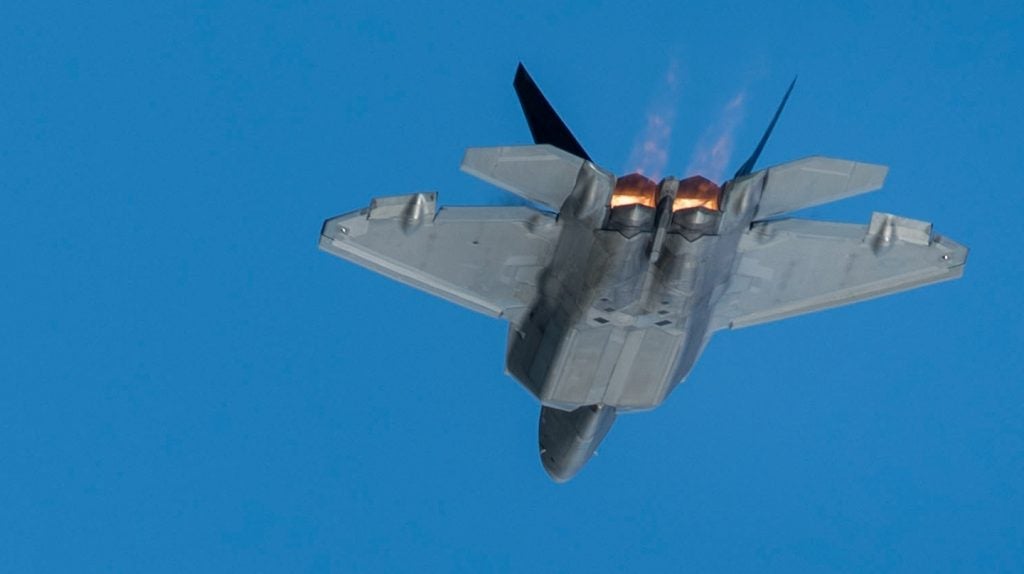
Arguably the world’s most advanced air dominance fighter, the F-22 is operated by the US Air Force. The platform would have been tasked with helping to secure the air domain from potential threats.
F-35 Lightning II
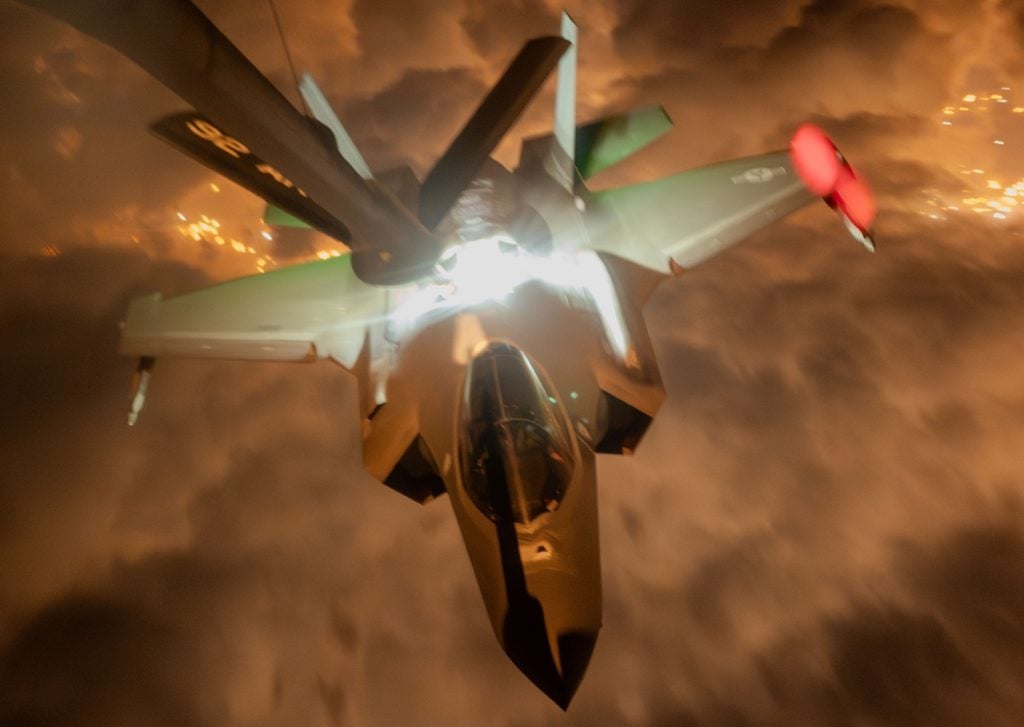
The product of the largest military programme in history, the F-35 multirole stealth fighter has leaned heavily on lessons learned during the development of the F-22 fighter.
During Operation Absolute Resolve, rather than ground strike, it could have provided additional electronic warfare (EW) support to negate Venezuela’s military command and control structure.
The platform is operated by the US Air Force (F-35A), the US Marine Corps (F-35B), and US Navy (F-35C), with each variant having slightly different combat and operational characteristics.
F/A-18 Super Hornet
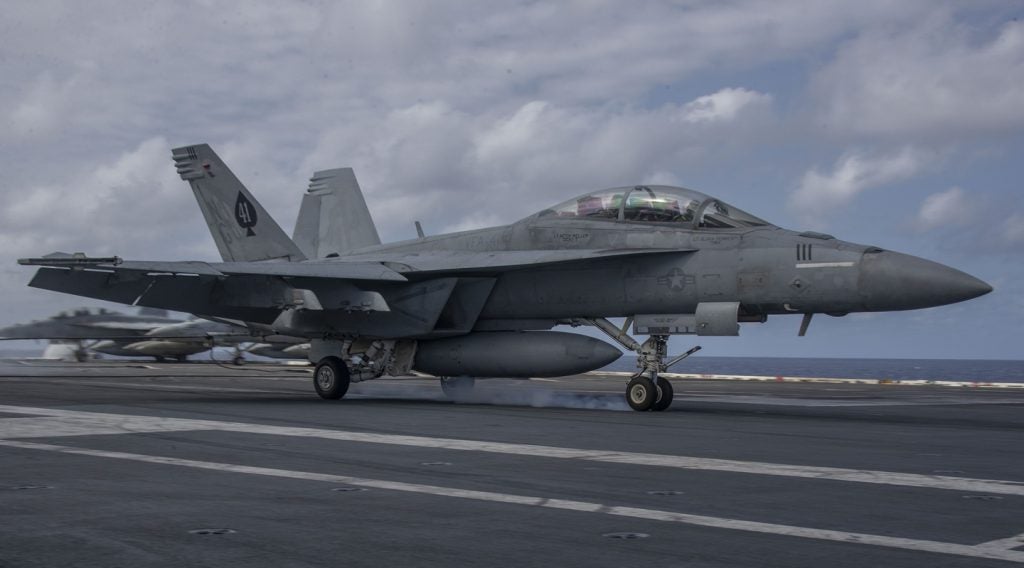
A mid-fourth generation multirole fighter, the F/A-18 is operated by the US Navy. Such platforms are able to conduct close air support on ground targets, as well as more traditional air domain missions.
The platforms could have provided further cover for the 160Th SOAR interdiction force in Caracas.
E/A-18G
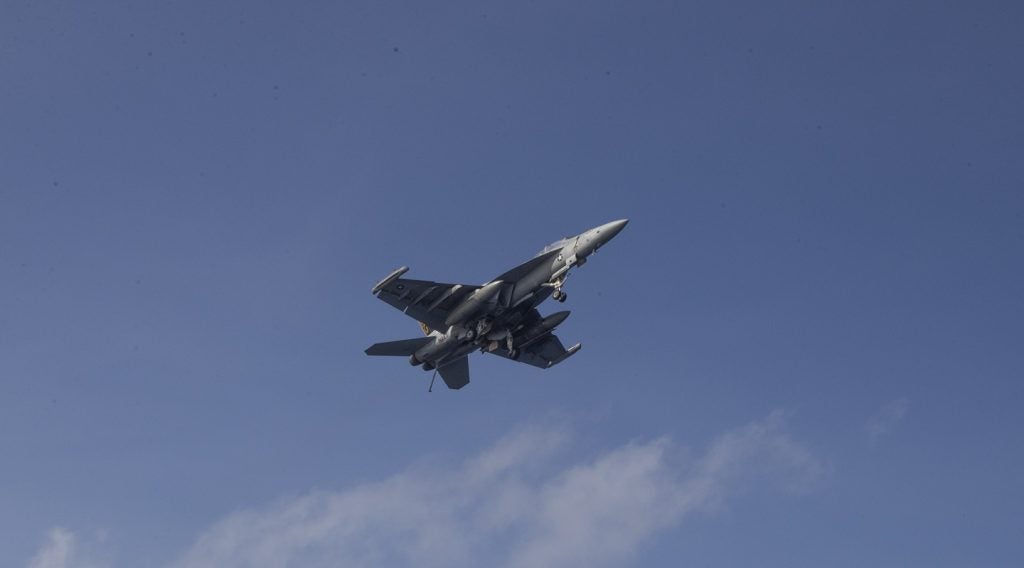
The EW variant of the F/A-18, the E/A-18G Growler is a US Navy carrier-based platform that is tasked to saturate and overwhelm enemy assets in the digital domain, conducting jamming operations on radar and communications networks.
This platform would have been critical to supress Venezuela’s command and communications networks to prevent any response.
E-2D Hawkeye
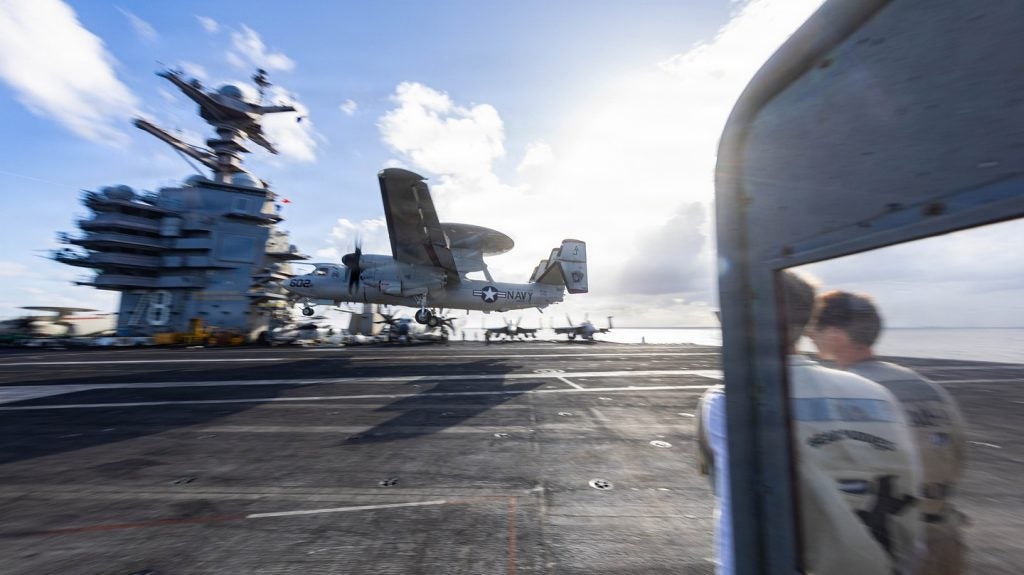
The E-2D Hawkeye is the US Navy’s carrier-borne airborne early warning aircraft, and would have utilised its onboard AN/ALQ-78, AN/APS-115, AN/APS-145, and AN/ALR-73 radar and detection system to provide a compete picture of the battlespace to operational commanders.
B-1 Lancer
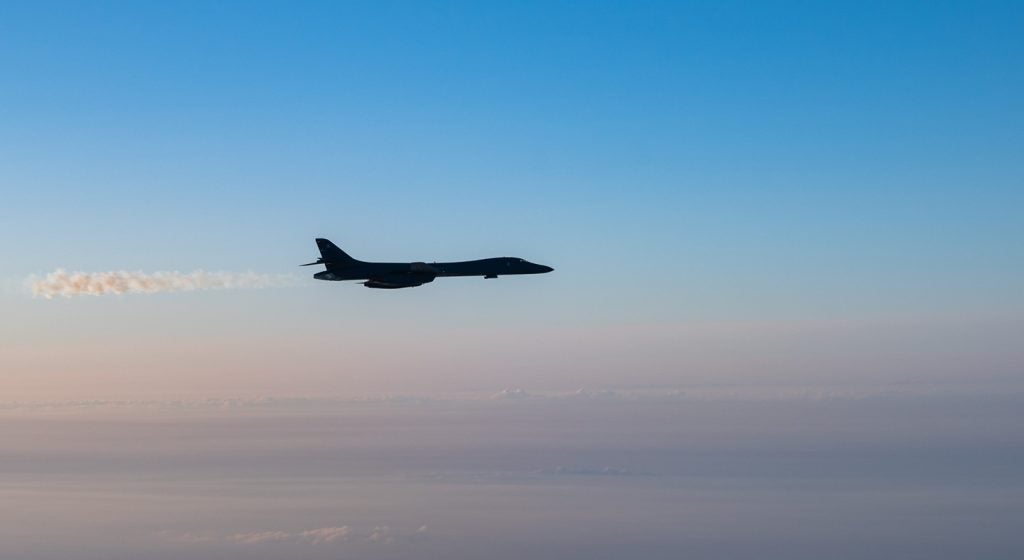
The US Air Force’s swept wing, strategic heavy bomber, the B-1 can accommodate 34,000kg of munitions in its internal weapons bays. The platform would have been tasked with performing much of the ground effect mission conducted during the US operations in Venezuela, notably striking a series of air bases, as well as, presumably, Venezuelan air defence systems.
Other platforms of Operation Absolute Resolve
The above list is not comprehensive, with US officials also referring to “numerous remote piloted aircraft”, which could mean drones such as the MQ-9 Reaper or SkyGuardian, the RQ-4 Global Hawk, or potentially highly secretive assets like the RQ-170 and RQ-180 stealth surveillance platforms.
More conventional aircraft will include air tankers like the KC-135 Stratotanker, required to keep the vast air armada fuelled in the air.


