
The US Army has signed a research agreement with ride-sharing company Uber for supporting the advancement of future vertical lift technologies.
The new Cooperative Research and Development Agreement (CRADA) has been signed between Uber and the army’s Research, Development and Engineering Command, Army Research Laboratory (RDECOM ARL).
Go deeper with GlobalData


Discover B2B Marketing That Performs
Combine business intelligence and editorial excellence to reach engaged professionals across 36 leading media platforms.
As part of the agreement, RDECOM ARL and Uber signed their first joint work statement to fund and cooperate on research development that would support future rotorcraft technology.
The $1m research developments will be focused on the discovery of quieter unmanned aircraft for the future force to support Army Modernisation Priorities.
ARL Vehicle Technology Directorate director Dr Jaret Riddick said: “This collaboration is an opportunity to access years of knowledge vested in subject matter experts within the lab.
“It will allow the army to rapidly advance mutually beneficial technology to inform objectives for silent and efficient vertical take-off and landing operation (VTOL) for the next-generation fleet of army unmanned air vehicles (UAVs). This supports the army modernisation priorities for future vertical lift aircraft.”
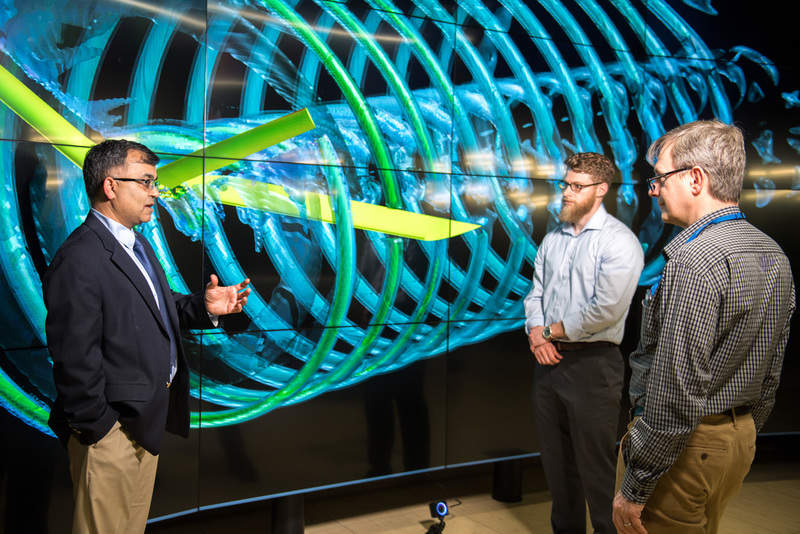
Under the joint work statement, the two parties will focus on carrying out research to develop the first usable stacked co-rotating propellers or rotors.
The concept involves two rotor systems placed on top of each other and rotating in the same direction.
Initial experimentation has demonstrated that the potential for stacked co-rotating rotors is significantly quieter than traditional paired rotor approaches and helps improve performance for flying aircraft.
Riddick added: “The research that we will collaborate with Uber to do will actually deliver unprecedented capability for quieter rotor systems in a unique configuration.”
According to army officials, work on the future fleet of unmanned aerial systems will provide soldiers with silently operational UAVs that would not require a runway capable of carrying greater payloads.



