
Arms sales at the largest 100 defence companies generated $597bn last year, 3.5% less than in 2021 in real terms, a study from the Stockholm International Peace Research Institute (SIPRI) shows.
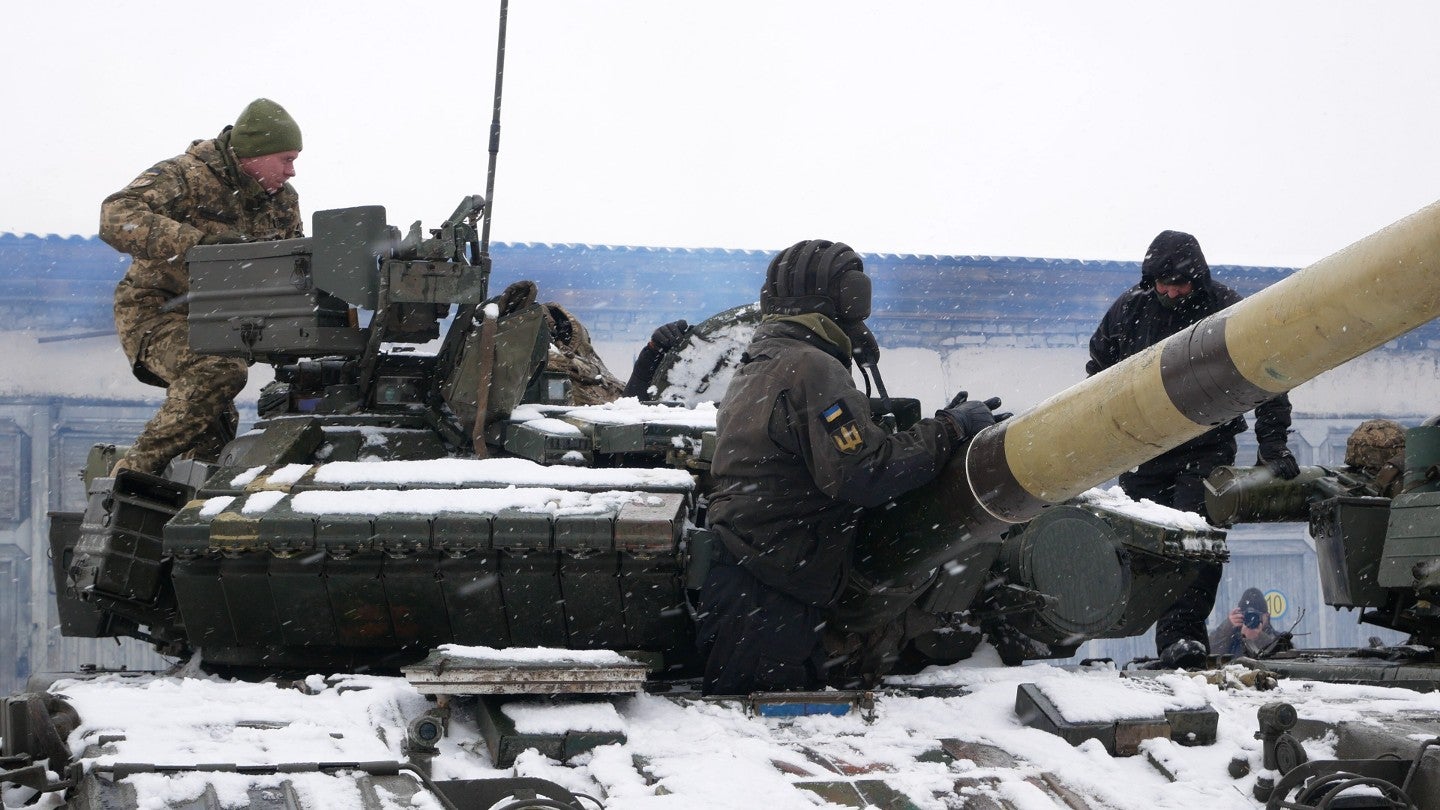
The dip in industry revenues comes even as the need for military services rose dramatically due to Russia’s invasion of Ukraine and rampant geopolitical tensions elsewhere.
Go deeper with GlobalData


Discover B2B Marketing That Performs
Combine business intelligence and editorial excellence to reach engaged professionals across 36 leading media platforms.
Weapons production has struggled to keep pace, according to SIPRI’s analysis.
The Ukraine war has been a double-edged sword for defence companies, driving demand but also disrupting supply chains, causing labour shortages and sending costs spiralling.
“Many arms companies faced obstacles in adjusting to production for high-intensity warfare,” said Lucie Béraud-Sudreau, director of SIPRI’s Military Expenditure and Arms Production Program.
US ‘Big Five’ revenues dip, Chinese companies see small gains
The overall decline was chiefly the result of dwindling revenues among major arms companies in the US, home to the so-called ‘Big Five’ – Lockheed Martin, RTX, Northrop Grumman, Boeing, and General Dynamics.
Of the Big Five, only Northrop Grumman avoided a negative change (0%) in arms revenue. Boeing suffered the largest losses, with revenues plummeting by 19% to $29.3bn.
The Chinese trio of NORINCO, AVIC and CASC were the only defence companies in the top ten to report an increase in revenues. SIPRI added that “the arms revenue figure for this company [AVIC] is an estimate with a high degree of uncertainty”.
The UK’s BAE Systems (0% change in revenues) and Russia’s Rostec (9.9% decrease) made up the rest of the top ten.
Out of all regions, the Middle East saw the largest percentage rise in arms revenue.
All seven Middle East-headquartered companies in SIPRI’s ‘Top 100’ recorded significant growth, led by Turkey’s Baykar which reported the largest percentage increase (94%).
Defence companies have attempted to mitigate production issues through increased job hirings, GlobalData research shows, but with limited success.
Amid intensifying demand for arms following the outbreak of war in Palestine, Israel and the wider Middle East, this gulf between outstanding orders and completed contracts is expected to widen.
Our signals coverage is powered by GlobalData’s Thematic Engine, which tags millions of data items across six alternative datasets — patents, jobs, deals, company filings, social media mentions and news — to themes, sectors and companies. These signals enhance our predictive capabilities, helping us to identify the most disruptive threats across each of the sectors we cover and the companies best placed to succeed.


