
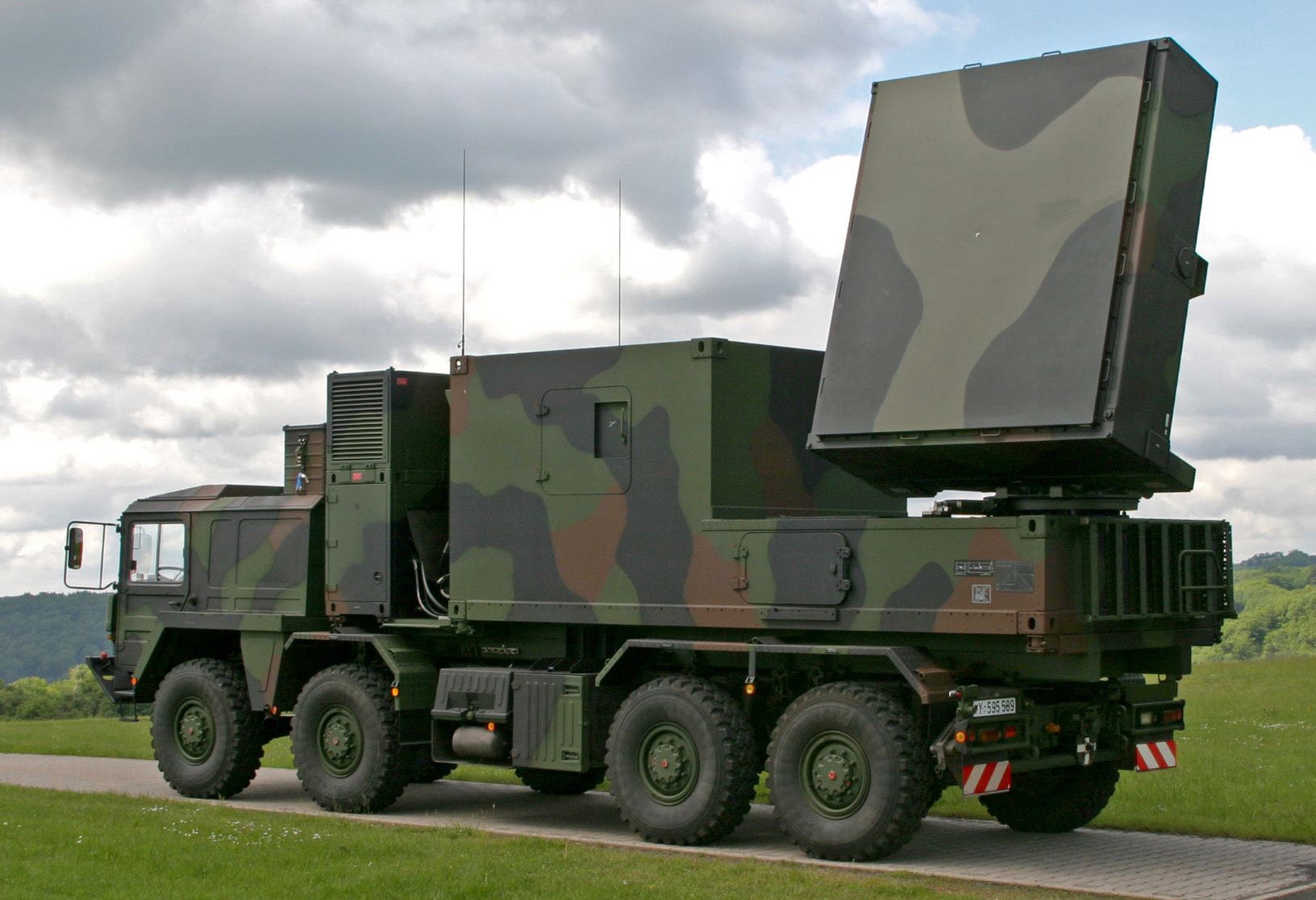
German sensor specialist Hensoldt has been awarded a contract to upgrade the COBRA artillery location radar’s test equipment.
Currently, the radar system is in service with many Nato armies.

Discover B2B Marketing That Performs
Combine business intelligence and editorial excellence to reach engaged professionals across 36 leading media platforms.
Awarded by Organisation for Joint Armament Co-operation (OCCAR), the contract requires Hensoldt to replace the COBRA Radar Environment Simulator (CRES).
CRES has been operational since the 1990s and is now obsolete and unreliable, according to the company.
The Hensoldt-developed CRES used for third-party COBRA systems has been selected as the affordable replacement solution.
CRES serves as the key element to test and verify the COBRA radar performance in a laboratory environment and determines optimum deployment and testing system performance.
According to the German firm, it generates artificial radar returns allowing stimulation of any kind of ballistic projectiles such as missiles, mortar grenades, howitzer or gun projectiles without the need for real transmissions.
Due to this capability, the CRES can be operated ‘in a closed maintenance hall or even inside a COBRA shelter’.
Cobra is a mobile radar system used for identifying enemy artillery and missile positions and determining the flight path of projectiles to expedite protective measures.
A consortium comprising Hensoldt, Thales and Lockheed Martin developed the first configuration of the radar for the German, French and British armed forces.
Currently, more than 40 systems of various configurations are in use by Germany, France and Turkey, as well as several militaries outside Europe.


